


I’m pleased to see more people making the connections between our food choices, our health, and our impact on the planet, but I’m super concerned the food debate is becoming way too polarized. I wrote What The Fork to open up a more moderate dialogue about food and food choice. While I advocate for organic food, I see a rising obsession for certified USDA Organic that is alarming. In other words, anything that doesn’t have the organic seal is rejected as “poisonous garbage,” and the farmers who produced it labeled as “evil.”
In this whole “organic” vs. “conventional” conversation, the incredible work of many family farmers is being completely ignored — or even belittled — in the pursuit of some “Farming Nirvana.” At the same time, millions of average families are being excluded from the food debate because they’re made to feel “bad” from the very outset for not shopping at a farmers’ market or buying organic.
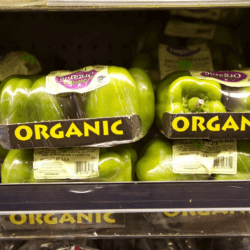
Although I am a firm supporter of organic food, buying “organic” isn’t always the answer. And while there are countless thousands of organic farmers out there who are farming with the organic principles front and center, and offering their communities wholesome and nutritious foods, there are some serious problems hiding behind the organic label. The problem is there are major players in the organic sector who want to bend the rules and exploit loopholes as far as they can to maximize profit and market share.
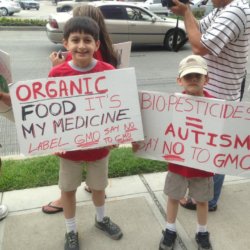



What we need to do is to shift the conversation from one that is super polarized and antagonistic to one where people can start to appreciate and understand the problems we ALL face. In doing so, we can make solving the growing food crisis a truly collaborative process, and one where people from all walks of life feel they have an important role to play. Because they really do. Small changes make big differences!
The GLP aggregated and excerpted this blog/article to reflect the diversity of news, opinion and analysis. Read full, original post: The Forgotten Farmers
























