EPA’s assessment of neonics in citrus ‘misleading,’ threatens citrus industry

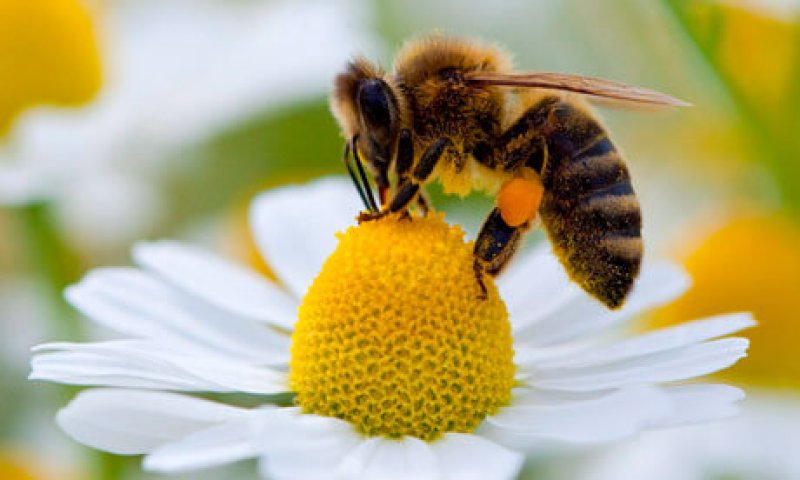
Bee collecting pollen

The GLP aggregated and excerpted this blog/article to reflect the diversity of news, opinion and analysis.

On January 6 the U.S. Environmental Protection Agency announced the first of four preliminary risk assessments for insecticides potentially harmful to bees, specifically neonicotinoids. In the assessment, the EPA states that citrus may have residues of pesticides in pollen and nectar above the threshold level. This statement is not only misleading, it is outright deceptive.

The premise that neonicotinoids are a major contributor to the decline in bee populations or colony collapse is false. The National Academy of Sciences states there are several causes. . .

The citrus industry is in danger of being wiped out by the incurable disease, Huanglongbing that is spread by the Asian citrus psyllid, which can only be controlled by timely pesticide applications.

“We empathize with beekeepers dealing with colony collapse,” continues Nelsen. “But, neonicotinoids are a vital tool in the battle to save the citrus industry. ” . . .

According to the Report on the National Stakeholders Conference on Honey Bee Health from the National Honey Bee Health Stakeholder Conference Steering Committee . . . there is a complex set of stressors and pathogens associated with colony collapse. Seven are identified in the report. Six of the seven are certain contributors: bee pests, pathogens, nutrition, bee biology, genetics, and breeding. The seventh stressor identified is potential pesticide effects, which the working group determined needed more research.

Even though pesticides are listed only as a potential stressor, pesticides have been unfairly elevated to celebrity status by anti-pesticide zealots.

CCM encourages EPA to continue regulating pesticides and other crop production tools based on sound, replicated science and not to be swayed by unsubstantiated emotional hyperbole. . .

Read full, original post: EPA ignores primary cause of bee decline

{{ reviewsTotal }}{{ options.labels.singularReviewCountLabel }}
{{ reviewsTotal }}{{ options.labels.pluralReviewCountLabel }}
{{ options.labels.newReviewButton }}
{{ userData.canReview.message }}

Related Articles

Infographic: Global regulatory and health research agencies on whether glyphosate causes cancer

Infographic: Global regulatory and health research agencies on whether glyphosate causes cancer

Does glyphosate—the world's most heavily-used herbicide—pose serious harm to humans? Is it carcinogenic? Those issues are of both legal and ...

Most Popular

ChatGPT-Image-Feb-16-2026-01_57_31-PM
Viewpoint: ‘Science-as-Satan’ unites the MAHA—MAGA movements. Is a breakup in the works?
ChatGPT-Image-Apr-22-2026-11_06_18-AM
Wellness influencer nonsense: No, nicotine does not boost cognition and productivity, but it can damage your health 
bayer-supremecourt-lt
EPA concludes glyphosate is not carcinogenic. Missouri courts say Monsanto failed to warn it might be. SCOTUS weighs in.
Screenshot-2026-04-13-at-3.54.04-PM
AI disinformation stress test: Challenges and response strategies
ChatGPT-Image-Feb-16-2026-01_04_32-PM
Raw milk myth wake-up call
ChatGPT-Image-Mar-11-2026-11_58_46-AM
The Trump administration has run out more than 4,000 National Institutes of Health employees. Here are the consequences
Screenshot-2026-04-21-at-1.11.22-PM
Boy Kibble: Muscle-building protein maxxing is the latest male health delusion
Screenshot-2026-04-15-at-1.22.58-PM
Anti-biotechnology activists smear hybrid wheat breakthrough that could surge yields in poorer countries
ChatGPT-Image-Mar-2-2026-03_22_54-PM
Why ‘support supplements’ for GLP-1 users are mostly a waste of money
ChatGPT-Image-Apr-23-2026-09_20_20-PM
Kennedy’s CDC blocks publication of study that shows vaccines reduce hospitalizations by 50%, then misrepresents why
Screenshot-2026-04-21-at-1.01.07-PM
Back to the vax — Is the measles surge testing MAHA’s vaccine rejectionism?  
glp menu logo outlined

Get news on human & agricultural genetics and biotechnology delivered to your inbox.