Despite promises, CRISPR not yet safe enough for human gene therapy

Screen Shot at AM

The GLP aggregated and excerpted this blog/article to reflect the diversity of news, opinion and analysis.

Not too long ago, ‘designer babies,’ genome editing and gene therapy were futuristic and expensive ideas that were available only to the most affluent elite.

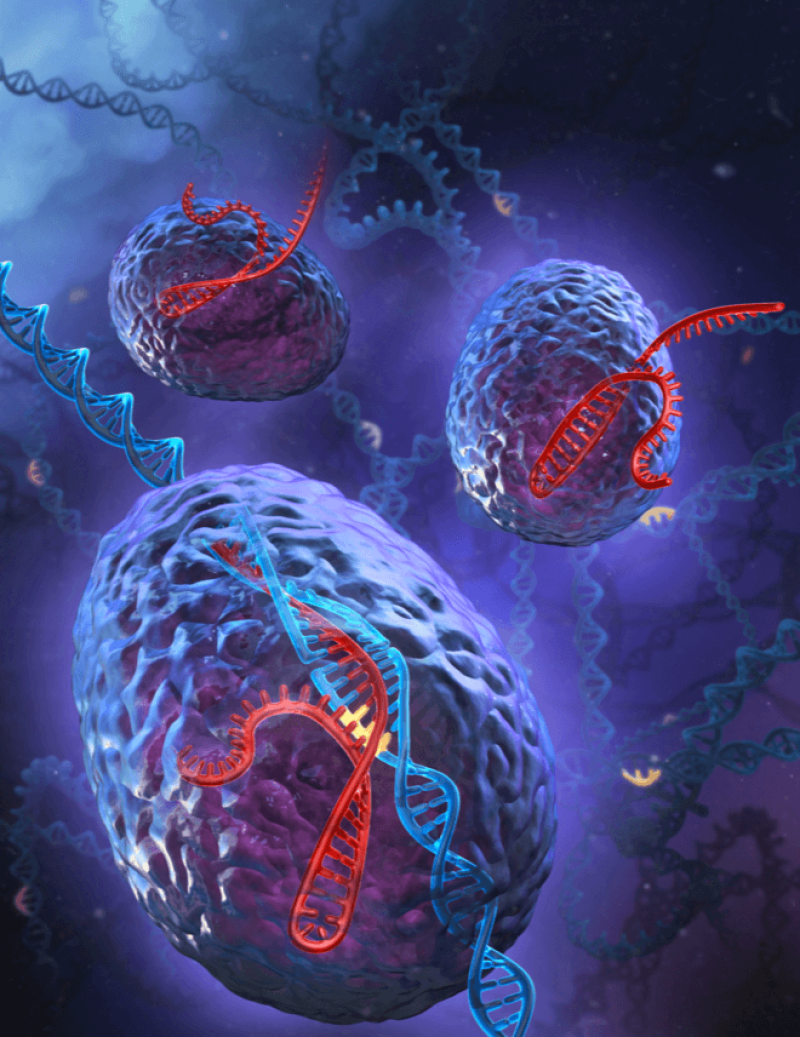
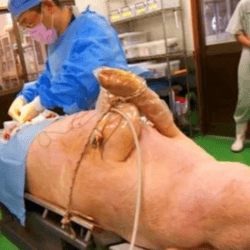
Yet, today, this baffling feat is becoming shockingly affordable thanks to the advancement of CRISPR. Since its initial debut in 2012, CRISPR’s capabilities have leapt forward every year. Some highlights include modifications of genomes in non-viable human embryos by Chinese scientists, modifications in pig embryos by US scientists in an effort to create pig organs viable for human organ transplants, and more recently, the authorization for UK scientists to begin experimentation in modifying viable human embryos.

CRISPR/Cas9 is not without its drawbacks. Although its precision has improved since its first introduction, the risk of off-target cuts exists and can range from 0.1 per cent to more than 60 per cent, depending on the target cell and sequence used in the experiment. Its power to wipe out entire species in under a year can be disastrous and have widespread effects on entire ecosystems.
It is a rather inexpensive and simple technique that can be easily accessed, and dangerous if not regulated. There has been such an explosive reaction to this new technique that it has outpaced our ability to create legal and ethical guidelines, and mandates for its use.

Read full, original post: Minding our makeup

Related Articles

Infographic: Global regulatory and health research agencies on whether glyphosate causes cancer

Infographic: Global regulatory and health research agencies on whether glyphosate causes cancer

Does glyphosate—the world's most heavily-used herbicide—pose serious harm to humans? Is it carcinogenic? Those issues are of both legal and ...

Most Popular

Screenshot-2026-11-17-at-12.18.09-PM
Challenging glyphosate fear-mongering: Statewide Nebraska study finds no link between weedkiller use and non-Hodgkin lymphoma
Screenshot-2026-11-16-at-2.37.32-PM
30 years of GMO farming: Is the boom in glyphosate and glufosinate use harming the environment? Data show they’re the most sustainable choice
Soybean Harvest in Cupped Hands
30 years of GMO farming: Defying cynics, we’ve had larger harvests, lower costs, and $385 billion in added global farmer income
ChatGPT-Image-Mar-10-2026-01_39_01-PM
Viewpoint—“Miracle molecule” debunked: Why acemannan supplements don’t work
Wholewheat Bread and Yogurt Ingredients
Viewpoint: RFK Jr.’s reckless good intentions: Do we really want to ban whole-wheat bread and yogurt?
Stormlit Portrait Over Golden Mountains
Searching for life where no one thought to look: A renowned astrophysicist’s seemingly quixotic quest to explore Venus’s clouds
Grayscale Collage of Protest and Choice
Viewpoint: Medical Freedom movement? A sobering look at RFK Jr.’s disastrous two years as our health and food czar 
Screenshot-2026-11-17-at-10.41.13-AM
Viewpoint: The cost of resurgence: Let’s not forget how difficult it was to wipe out measles in the U.S.
Screenshot-2026-11-18-at-12.42.18-PM
Viewpoint: MAHA/MAGA/RFK Jr. kook health disinformation crackup is coming. Beware as Bhattacharya, Makary, Prasad, and Oz seek lucrative second acts
Screenshot-2026-11-13-at-10.02.02-AM
Viewpoint: Why it’s such a big deal that under Trump-RFK Jr., the U.S. has lost its ‘measles-free’ status  
BEMT Lotion for Freckled Skin
Burned by FDA bureaucracy: Why Americans waited decades for cancer-preventing sunscreen
Screenshot-2026-11-19-at-7.54.57-PM
European General Court sides with scientists, dismisses activist claims that glyphosate is toxically dangerous
glp menu logo outlined

Get news on human & agricultural genetics and biotechnology delivered to your inbox.