
OK Sen. Inhofe asks EPA to be ‘mindful of science’ in neonicotinoids review

The GLP aggregated and excerpted this blog/article to reflect the diversity of news, opinion and analysis.

Sen. James Inhofe (R-OK) is asking the Environmental Protection Agency (EPA) for one thing as it conducts risk assessments of neonicotinoid insecticides: to “proceed with the utmost caution.”

The chairman of the Environment and Public Works Committee wrote a letter to Jim Jones, assistant administrator for EPA’s Chemical Safety and Pollution Prevention division, expressing “interest and concern” over the risk assessments.

“Given the uncertainty regarding the cause of [colony collapse disaster] CCD and subsequent low bee populations and the influence of these risk assessments on potential regulatory actions by EPA, I ask that you proceed with the utmost caution and continuously evaluate the underlying assumptions of your approach,” Inhofe wrote.

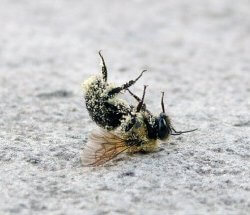
After conducting a preliminary pollinator risk assessment on the neonicotinoid insecticide imidacloprid this year, the EPA announced the insecticide posed a threat to some pollinators when it exceeded a threshold of 25 parts per billion (ppb), which would cause a decrease in pollinators and honey produced.
. . . .

Inhofe urged the EPA to “establish a clear casual link” between the practical and realistic use of neonicotinoids and decrease in bee population to avoid making the same mistakes the E.U. made, and added that the findings in the EPA’s preliminary assessment are already causing “misleading and sensationalist headlines from the media” and stirring up environmental activists groups to call for a ban of neonicotinoids.

Read full, original post: Inhofe urges EPA to be ‘mindful of science’ in review of neonicotinoid insecticides

Related Articles

Infographic: Global regulatory and health research agencies on whether glyphosate causes cancer

Infographic: Global regulatory and health research agencies on whether glyphosate causes cancer

Does glyphosate—the world's most heavily-used herbicide—pose serious harm to humans? Is it carcinogenic? Those issues are of both legal and ...

Most Popular

Weed Killer, Gavel, and Cash on Wood Table
Who were the biggest winners in Bayer’s $7.25 billion glyphosate settlement? The tort lawyers, natch
Donkey Symbol Meets Speaking Politician
Democrats’ bid to win over MAHA voters faces a hard limit: Their loyalty to RFK Jr.
ChatGPT-Image-Mar-10-2026-01_39_01-PM
Viewpoint—“Miracle molecule” debunked: Why acemannan supplements don’t work
Screenshot-2026-11-24-at-11.07.44-AM
Here's a sure way to increase testosterone levels and jack up your sex drive
PFAS Molecules and Hazard Icons
Viewpoint: $$$ Billions of reasons why environmental activists are trying to slap a ‘killer PFAS’ label on many safe and essential ‘forever chemicals’
Neon-AI-Globe-Network
Viewpoint: The three biggest threats posed by AI hyper-intelligence
Screenshot-2026-11-16-at-2.37.32-PM
30 years of GMO farming: Is the boom in glyphosate and glufosinate use harming the environment? Data show they’re the most sustainable choice
Screenshot 2026-11-24 at 1.51
Viewpoint: Embrace aging and reject the longevity industry’s eternal-life delusion
Pastel Breakfast Pedestals with Yogurt Bowl
RFK Jr. is about to issue an edict defining ultra-processed foods. What could go wrong?
Screenshot 2026-11-23 at 11.51
Calley Means’ demonization of glyphosate is ‘just craziness’. Farmers are responding with science.
glp menu logo outlined

Get news on human & agricultural genetics and biotechnology delivered to your inbox.
















