Should we use gene editing to stop spread of invasive species?

Screen Shot at AM

The GLP aggregated and excerpted this blog/article to reflect the diversity of news, opinion and analysis.

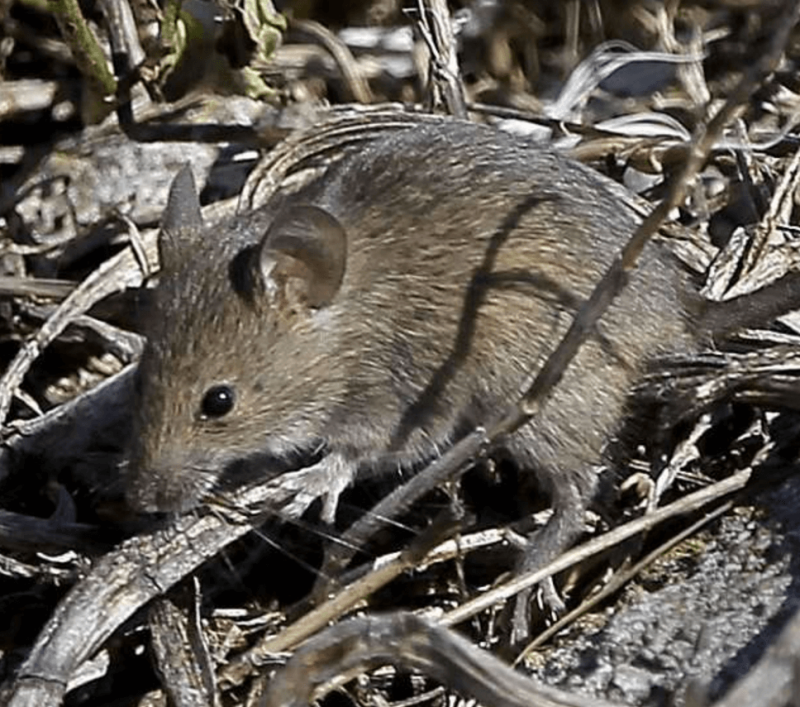
Every year, the mouse population on the South Farallon Islands explodes to plague-like densities. These mice have spread the seeds of invasive plants and eaten several endemic species, substantially disrupting the island ecosystem.

It’s a familiar story on islands all over the world where invasive rodents have taken over and scientists are trying all they can to exterminate them. However, rather than rodenticide, could scientists genetically engineer a house mouse that would breed itself out of existence if set loose on an island? Thanks to CRISPR-Cas9, the idea is very possible.

But are we ready for a world where whatever ails wild populations of species can be “fixed” with a tweak of the genes? Given that we’ve already made a grand mess of every place on earth, do we dare go to the deepest level of the genome? These aren’t theoretical scenarios anymore. In places around the world, scientists are pursuing such projects. Yet, even as scientists work on safeguards, it’s clear that regulators and the public need to catch up with the science.

Read full, original post: Re-Coding for Conservation

Related Articles

Infographic: Global regulatory and health research agencies on whether glyphosate causes cancer

Infographic: Global regulatory and health research agencies on whether glyphosate causes cancer

Does glyphosate—the world's most heavily-used herbicide—pose serious harm to humans? Is it carcinogenic? Those issues are of both legal and ...

Most Popular

ChatGPT-Image-Mar-10-2026-01_39_01-PM
Viewpoint—“Miracle molecule” debunked: Why acemannan supplements don’t work
Screenshot-2026-09-22-at-12.26.15-PM
‘Forever chemical’ concerns: Separating hysteria from reasonable concern in the debate over PFAS danger
AI Doctor with a Digital Neural Head
Utah becomes first state to empower AI to bypass doctors and prescribe certain drugs
Radioactive-Americana-Collage-2
The kooky logic behind the raft of spurious cancer claims from Harvard’s T.H. Chan School of Public Health
AI-Force-Uniform-Insignia-Close-Up
Trump wants an AI Force like Space Force, but that could make AI’s risks harder to manage
Screenshot 2026-07-29 at 10.40
The COVID vaccine turbo cancer scare is back. Science still proves it’s wrong.
Screenshot-2026-09-22-at-10.54.12-AM
‘They misunderstand science’: Research attempting to tie autism to changes in the gut microbiome comes under fire
Screenshot-2026-09-28-at-11.26.17-AM
Viewpoint: Wellness movement activists reposition nicotine from a killer addictive drug into a cure-all for brain ills
ChatGPT-Image-Jun-25-2026-12_23_17-PM
No, Bill Gates did not secretly engineer ticks to promote veganism
Screenshot-2026-10-07-at-2.00.02-PM
9 wellness myths busted
glp menu logo outlined

Get news on human & agricultural genetics and biotechnology delivered to your inbox.