


Agriculture & Food
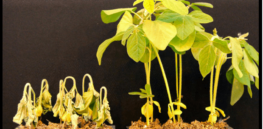
Gene editing may be the only protection we have to maintain farming output as climate grows more extreme
Rapid climate change has significantly impacted agricultural production, potentially affecting global food security. Scientists and policymakers worldwide have devised various ...

Chestnuts, rats, and rhinos: Can biotechnology become a key tool in conservation?
What do the American Chestnut tree, the black rat, and the northern white rhinoceros have in common? They are all ...

Organic labeled food does not mean it’s healthier. It only designates how it was grown
When you see the word organic on a label, it's easy to assume it means healthier, safer or more sustainable, ...

Taylor Swift and the intuitive eating craze
Intuitive eating “focuses on trusting your hunger cues. You decide what to eat and how much based on that,” says ...
‘Blood bath’: American soybean farmers are panicking as trade war with China escalates
China hasn’t booked any U.S. soybean purchases in months, making the oilseed a potent weapon in Beijing’s trade fight with ...

Viewpoint: The gap between agricultural reality and regenerative claims about palm oil: ‘It has become less about agronomy and more about allegory’
Today, the creed lighting up meetings, conference stages and supermarket shelves is regenerative agriculture (RA). ... It has become less ...
Big Ag vs. MAHA: Who’s winning and why
Health and Human Services Secretary Robert F. Kennedy Jr. has a reputation for bashing powerful corporate interests in his quest ...
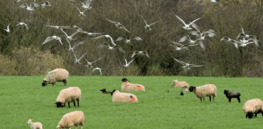
Viewpoint: Despite environmental activist claims, bird and insect populations are not crashing in Britain
The scientific evidence increasingly refutes the alarmist narrative that our farmland bird and insect populations are disappearing due to intensive ...

Viewpoint: 10 reasons why we should not fear GMO fruits
[1.] Many people think genetically modified fruit is a recent invention, but the first GMO fruit hit the market in the 1990s. ...
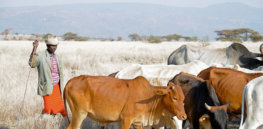
Battling rising feed costs and misinformation, Kenya explores GMO solutions to revive its struggling livestock sector
For years, Kenyan farmers have been complaining of expensive and poor quality livestock feed that is eating into their profits ...

Avocado orchard of the future: ‘Creating novel types with vibrant skin colors, unique and distinctive flavors and very large sized varieties’
The future of the avocado could look very different, thanks to Westfalia Fruit’s innovative precision breeding programme in South Africa ...
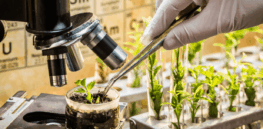
Mutant advantages: Constant change in plant breeding — random and now guided — has precisely crafted our global food system
A new review paper by researchers at Bayer Crop Science, titled Beautiful and delicious mutants: The origins, fates, and benefits of ...

Growing rice traditionally releases dangerous greenhouse gas. Here’s a solution
Rice is perhaps the world’s most important foodstuff — it feeds more than half the global population. But it is ...

Viewpoint: What happened when a liberal food writer makes a science-based case for glyphosate’s safety and importance—in the New York Times
You shouldn’t drink Roundup. You shouldn’t bathe in it, either. But you shouldn’t worry about eating crops sprayed with Roundup ...

Industry and Trump’s agriculture department: It’s a revolving door
For decades, regardless of who’s been president, some leaders in key government food and farm departments have had strong industry ...
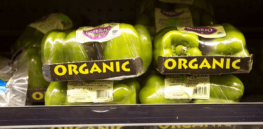
Viewpoint: The organic food industry is a $180 billion marketing fraud
As a biomedical scientist, it has never failed to annoy me that the term ‘organic’ has been co-opted to spread ...

Understanding why coffee is good for our health
Studying the effects of coffee is particularly challenging. Isolating for a beverage with over 1000 compounds is so tricky that ...

Foodomics: Why you need to know what’s in ‘nutritional dark matter’
When scientists cracked the human genome in – sequencing the entire genetic code of a human being – many expected ...

Can CRISPR and other forms of gene manipulation create a new generation of seedless fruits—without the structural risk to food security
Seedless fruit feels like a UX win—no pips, no fuss, just vibes. But the biology behind that convenience is a ...

Food producers exploring another alternative meat: Add proteins from plants, fungi, insects and microbial fermentation. It tastes better than it sounds
Alternative proteins derived from various non-animal sources such as plants, mycelium, cultured cells, microbes, and insects are gaining increasing attention ...

As few as 1% of the world’s population are eating healthy, sustainably-grown food
A major report on the global food system has found that less than 1 per cent of the world is ...
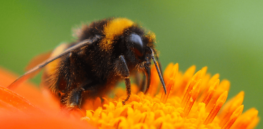
Bees in distress: Climate change is depressing the aroma that attracts bees for pollination. Scientists are scrambling for a solution
Across 120 publications from 19 countries, ozone pollution decreased performance of beneficial invertebrates by more than 31%, while nitrogen oxides ...
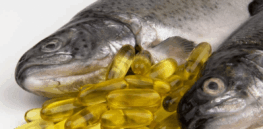
Sashimi that promotes healing and skin rejuvenation? It’s not the latest fad skin care breakthrough, but a yummy-tasting cultivated Omega-3-rich fish fat made using stem cell technology
Sashimi that looks, feels and tastes just like the real deal, but is actually grown in a laboratory. That is ...

After RFK, Jr. is replaced: A breakthrough mRNA vaccine that suppresses food and seasonal allergies
A new mRNA vaccine stopped allergens from causing dangerous immune reactions and life-threatening inflammation in mice, according to researchers from ...

Sugar-sweetened beverages: The health impact of soda, sweetened waters, fruit drinks, coffee and other SSBs
Sugar-sweetened beverages, the liquid delight promising a moment of joy and delivering a lifetime (?) of regret. Positioned as a ...
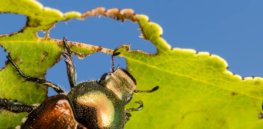
Sustainability breakthrough: Scientists targeting the genetic code of pests
Pests can be the make-or-break factor for a season’s harvest. Between 20% to 40% of global crop production is lost ...
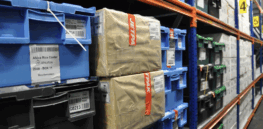
What do we need Seed Banks? 75% of plant genetic diversity has been lost since the early 20th century, and its losses are accelerating
Gene and seed banks are not static museums. They are living collections of genetic material, designed to support food security, ...
