


Featured in Weekly Newsletter

Viewpoint: US childhood vaccination rates are at a 10-year low. Here’s how fringe science views are seeping into the mainstream
Rates of routine childhood vaccination hit a 10-year low in 2023. That, according to the Centers for Disease Control and Prevention, ...

Are we facing an ‘Insect Apocalypse’ caused by ‘intensive, industrial’ farming and agricultural chemicals? The media say yes; Science says ‘no’
The media call it the “Insect Apocalypse”. In the past few years, the phrase has become an accepted truth of ...

How taking LSD to relieve anxiety disorder can work for months after the chemicals leave your brain
Psychotropic drugs are all the rage now as a potential treatment of brain diseases. Examples are ketamine and psilocybin for ...
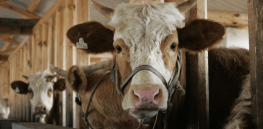
Viewpoint: Do we have to give up beef to limit climate change?
Are cows really a major cause of climate change? Wealthy nations are not pushing people to switch to a plant-based ...

Artificial Intelligence is revolutionizing mental health diagnosis and treatment
Psychiatry was one of my early rotations as a third-year medical student just beginning clinical training. After years of exposure ...

Groundbreaking pineapple-flavored spray vaccine could prevent urinary tract infections for up to 9 years
A breakthrough almost decade-long study of a spray vaccine offers promise for billions of women who suffer from urinary tract ...

GLP podcast: RFK Jr. recycles ‘gay frogs’ pesticide conspiracy; GMO v organic debate is over; Scientist behind gene-edited twins back in the lab
RFK, Jr. has resurrected the long-debunked speculation that atrazine, a low-toxicity weedkiller, causes sexual dysphoria in frogs—and humans. The oft-reported ...

Viewpoint: Public investment in agricultural innovation is woefully inadequate. Here’s what should be done
Doubling government funding for agricultural research and development (R&D) would have tremendous environmental and economic benefits, according to a new ...

Nature’s lost scents: Perfumes made to replicate extinct plants provide an olfactory glimpse into the past
“Meet Invisible Woods: a clean, refreshing scent revived from extinct flower DNA,” beneath an image of “origin flower” Wendlandia angustifolia ...

Viewpoint: Here’s why the EPA needs to relax regulations that make it harder for farmers to access pest-resistant biotech crops
Plant pests and disease have a massive global impact, causing the loss of 20–40% of crop production and costing over USD 220 billion ...

Yet another anti-vax doctor claims vaccines ‘shed’. Where did this myth originate?
It’s been too short a time since I last wrote about the antivaccine myth of “shedding,” particularly in the context of ...

Do the MAOA and CDH13 ‘human warrior genes’ make violent criminals—and what should society do?
What can--or should--be done about genetic predispositions that lead to grim social consequences in only some of the people with ...

Are GMOs causing an increase in allergies?
The potential for allergies from foods with genetically modified ingredients is no higher than that in any food, including organics ...

Viewpoint: ‘Enemy of Science’ — Friends of the Earth renews its organic industry-funded campaign against GM crops
In 1969, a fellow who felt that the eugenicist founders of Sierra Club were not militant enough in their war ...

‘Race’, anti-racism and biology
Using biology to determine the racial ancestry of human remains is racist. Except when it’s done in the name of ...
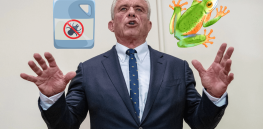
Video viewpoint: Humans as frogs? Robert F. Kennedy, Jr. claims that unsubstantiated but perceived rise in male sexual dysphoria is driven by atrazine in our water supply
Conspiracy nut Robert Kennedy, Jr. is desperately trying to convince the American voting populace that he is indeed a serious ...
GLP podcast: Dangers of ‘diet weed’; Making insulin in cow’s milk; The conservative case for genetic enhancement
So-called "diet weed" is slowly gaining popularity across the US. Is this newfangled drug safe to consume? Scientists have successfully ...

Viewpoint: US regulators are not keeping up with lightning-fast advances in biotechnology. How can that gap be closed?
Improved crop genetics can help protect crops from pests and disease, reduce food waste, increase yields, limit deforestation, and decrease agricultural greenhouse gas emissions. Improvements in ...

Viewpoint: Here’s how genetically engineered fruits and vegetables will soon emerge as a grocery store ‘selling point rather than a scare tactic’
Fruits and veggies are nature’s gift to humanity. Chock full of vitamins, delicious and colorful, they deserve a starring role ...
GLP podcast: GE crops have lived up to the hype; Growing ‘mini’ organs from stem cells; How do we solve right-wing vaccine hesitancy?
Genetically engineered crops are nearly three decades olds at this point. What impacts have they had on agriculture over those ...

What is ‘carbon farming’ and could it provide a path to a more sustainable agricultural future?
As the effects of climate change intensify and paths for limiting global warming narrow, politicians, media and environmental advocates have rallied behind ...

Power of placebo: Here is how the ‘belief effect’ influences our views on nutrition, pain and mental health
There is a fascinating interplay between the power of belief and its profound impact on our corporeal health and nutrition ...

Uruguay joins gene-editing nations, revamps CRISPR crop approval process
The ministries of Environment and Livestock, Agriculture and Fisheries will work together in the analysis of the New Genetic Improvement ...

Environmental Working Group’s Dirty Dozen Deception: No, your fruit and vegetables are not ‘soaked’ with pesticides
In supermarket conversations (and yes, I do have them) people are scared to death about their fruits and vegetables. I ...

Curious what chickens cluck about? AI is decoding the language of poultry
Understanding chickens' vocalizations can transform our approach to poultry farming, enhancing their welfare and quality of life ...
GLP podcast: Why some deaf people oppose curing deafness; The dark side of embryo screening; Should states ban lab-grown meat?
Groundbreaking gene therapies for deafness are coming online, but they're opposed by a surprising group of people—a subset of the ...

Viewpoint: Seed patent controversy — ‘Does intellectual property in agriculture drive up costs for farmers and restrict access?’ Here are the numbers
Among the many misconceptions about modern agriculture, perhaps one of the most pervasive surrounds the role of intellectual property (IP) ...
