


Food & Ag Features
Viewpoint: As the BBC spews organic farming propaganda, the world’s poor suffer
How many people around the world are currently living in poverty? The World Bank reports that a little over 9%, ...

GLP podcast/video: ‘Industrial’ seed oils unhealthy? A mom’s guide to anti-GMO myths; Opposites actually don’t attract
Are so-called "industrial" seed oils slowly killing us? Probably not. One mom and farmer says other parents shouldn't be scared ...
Video: Are synthetic pesticides harmful to the environment and human health? Here’s a nuanced review of the science
Starting with the premise that any substance can be poisonous depending on the dose, Josh Gilder, founding partner of Reach ...

‘Museum of Agriculture’? Could that be the fate of European farming if Greenpeace and other environmental activists succeed in blocking deregulation of crop gene editing?
The war between science and anti-crop biotechnology advocacy groups has escalated since the summer release of the European Commission Report ...

GLP podcast: Lab-grown meat bad for the planet? California’s backwards pesticide rules; Presidential debates should focus on farm policy
Recent research shows that lab-grown meat may not live up to its environmental hype, requiring far more energy than its ...
Viewpoint: Many web-surfing gardeners are concerned about the scary claims they read online about the herbicide glyphosate. An independent university weed scientist addresses the controversy
I did a class for the Cypress Landing community a few weeks back and one of the questions was about ...
Insects are disappearing from UK farms. Why, and what can be done?
Insect populations are declining worldwide at a rate of almost 1% per year. This decline is alarming. Insects play a ...
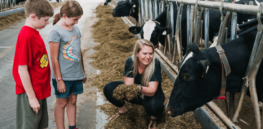
Greenwashing or greening agriculture? Food companies developing efforts to prevent carbon in soil from leaking into the atmosphere
Jason Johnson, Stonyfield Organic’s farmer relationship manager, fires up the AgriCORE soil sampling tool in a pasture with sweeping views ...

Pesticides and Food: It’s not a black or white issue — How do organic pesticides compare to synthetic pesticides?
Many consumers choose to buy higher-priced organic produce because they believe organic foods are not grown using pesticides and therefore ...
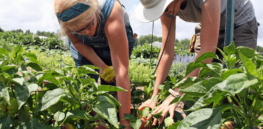
Viewpoint: Outdated organic technology? By rejecting gene editing, growers left with more disease-prone, pest-infested crops
East Yorks mixed farmer Paul Temple suggests that in closing its mind to new genetic technologies, the organic sector may ...
GLP podcast and video: Hawaii’s wildfires explained; Why more young people are getting cancer; Aspartame hysteria could boost sugar intake
Invasive grasses are the key to unraveling the cause of Hawaii's devastating wildfires, according to a local expert examining the ...

Social justice environmental activists move to block gene editing to control invasive species and promote biodiversity. Here’s why they’re misguided
Hawaii has emerged as ground zero for efforts to raise the awareness of the dangers of invasive species. Just last ...

Viewpoint: ‘Garbage in, garbage out’ — How AI is already skewing news coverage of complicated science issues like the safety of glyphosate
Here's a great example of how bad reporting and the war on glyphosate play hand-in-hand. I don't know anything about ...
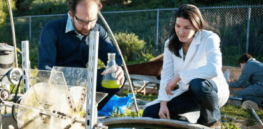
Reduce synthetic fertilizers and improve yields? The microbiome revolution comes to agriculture
If manipulated correctly, they can help us cure cancer, understand how we can adapt to rising temperatures, play a role ...

Grasshoppers under siege: Here’s how climate change depletes insect populations and threatens the global food supply
It’s tough out there for a hungry grasshopper on the Kansas prairie. Oh, there’s plenty of grass to eat, but ...

Sequestering carbon on a gigaton scale: How gene editing can address climate change by reducing atmospheric emissions
Hardly a day goes by without another piece praising the potential for gene editing to help solve climate change. Nevertheless, the possible contributions of biology and biotechnology have been conspicuously ...
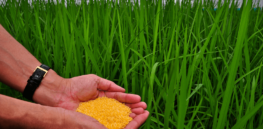
Viewpoint: From ‘Save the Whales’ to ‘Let Children Go Blind’ — Greenpeace’s descent into science rejectionism
From the early days of Greenpeace when its members were dodging harpoons and Japanese whalers in outboard motor boats – ...
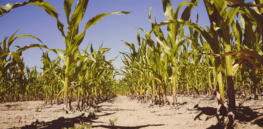
Green transition: How agriculture can drive climate change solutions
It is widely recognized that we must transition our energy economies to a greener, more sustainable state. This will only happen ...
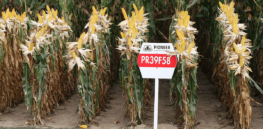
Insect-resistant Bt GMO crops have helped cut pesticide use. Now Nature is pushing back
In 2006, a small airplane started buzzing each cotton field in Arizona, a thin, dust-like cloud trailing behind it. The ...

Pesticides and Food: It’s not a black or white issue — Part 5: Soil health ― When synthetic pesticides are more sustainable than ‘natural’ organics
Most consumers believe organic farming avoids pesticides and prioritizes the health of the environment more than conventional farming. However, this ...
GLP Podcast/Video: Cell phones and cancer; Do you need a COVID booster? The case for/against eating bugs
There's no evidence that cell phone use causes brain cancer, so why do so many people, some scientists included, believe ...

Viewpoint: Scotland’s Green Party leads an “obstinate and visionless” opposition to sustainable gene edited crops while UK and Europe edge towards embracing agricultural science
In recent months, the pace of global policy developments in relation to gene editing has often been hard to keep ...
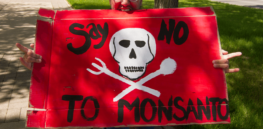
Viewpoint: How to restore public trust and regulatory fairness in the face of aggressive, coordinated disinformation efforts by anti-technology environmental activists
During my lifetime, Western societies have enjoyed innovations that have immensely improved public health and the quality of life as ...
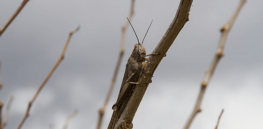
Why we overeat — and how studying voracious locusts may help us learn to curtail a dangerous human vice
This story starts in an unusual place for an article about human nutrition: a cramped, humid and hot room somewhere ...

Should University Agricultural Research Scientists Partner With Industry?
Studies show research on GE crops is not significantly influenced by conflicts of Interest. However, it is important to remain ...
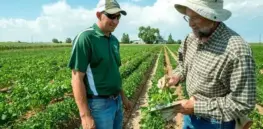
Viewpoint: Anti-agrobiotech activists claim European farmers who support relaxing the EU’s de facto ban on cultivating GMO and gene-edited crops are dupes of Big Ag. Here are the facts
Staunch opponents of the agricultural biotechnology revolution spin a narrative that large agribusiness have strong-armed governments to approve genetically modified ...
GLP podcast and video: PFAS bans could do more harm than good; Risks and benefits of ‘magic mushrooms’; ‘Ultra-processed’ foods are nutritious
There are growing calls to ban PFAS chemicals to protect public health. The problem is, these substances are used in ...
