


Sustainability & Climate Change

Should University Agricultural Research Scientists Partner With Industry?
Studies show research on GE crops is not significantly influenced by conflicts of Interest. However, it is important to remain ...
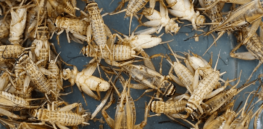
Pest to protein: Indian aquaculture farmers explore economic and sustainability benefits of insect-based feed
Insects are emerging as a viable source of sustainable alternative ingredients – primarily insect protein concentrate or insect meal and ...
How to design climate-adaptive next-generation gene-edited plants while preserving biodiversity
A special issue of the journal PLOS Biology explores plant engineering as a tool to improve the climate resilience and carbon capture potential ...
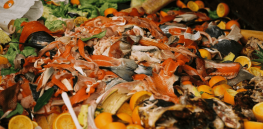
Climate change impact of food waste: ⅓ of our food is wasted contributing to half of agriculture’s carbon footprint
Around a third of human-generated greenhouse gas emissions comes from the global food system, and lost or wasted food is known ...
AI accelerates development of pest-resistant and climate change adaptive seeds
While agricultural companies and farmers have a host of ways to tackle disease and pests, there are novel solutions on ...
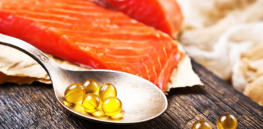
Making waves in aquaculture: Norway approves plant-based omega-3 oil that replaces fish with biotech canola
The Norwegian Food Safety Authority (NFSA) granted approval for Aquaterra® Omega-3 oil for use in fish feed applications according to ...
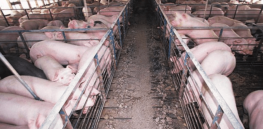
Agricultural biosecurity: How can we keep food safe in a world of globally connected farms and pastures?
You’ve probably heard the word biosecurity referencing animal health, but many still ask what exactly is it? ...

Viewpoint: Europe’s proposed Green Deal is a “disaster under current climatic conditions”
Is Europe sufficiently equipped to cope in terms of food security and supply in the event of sharp rises in ...
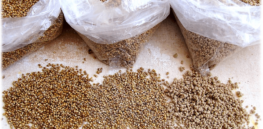
Growing more ancient grain millet could help American farmers adapt to climate change
The Midwest is known for its rows and rows of corn and soybeans that uniformly cover the landscape ...
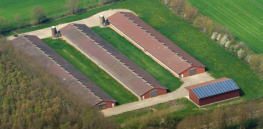
Understanding links between energy and agriculture
My parents were Calabrian. During the first half of the 20th century, my father was an orange picker and a ...
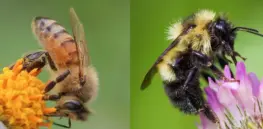
Protecting honeybees and wild bees from neonicotinoid pesticides? As environmentalists and politicians lobby for bans, science takes a backseat
There has been a recent surge in the number and intensity of campaigns by environmental groups lobbying to ban many ...
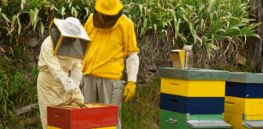
Why do lab studies suggest neonicotinoid pesticides can harm bees, while field research suggests they have minimal environmental impact?
Pollinators play a crucial role in the production of food crops. While many crops are open pollinated, meaning they don’t ...
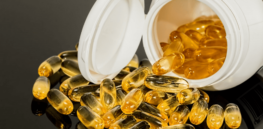
We need another source of omega-3 supplements for food and animal feed. Enriched genetically modified rapeseed could fill the gap
In March this year, Norway’s Food Safety Authority became the latest country to conclude that using Omega-3 enriched GM rapeseed ...
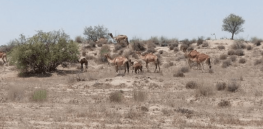
Traits found in roots of desert plants could help crops survive escalating droughts due to climate change
Germinating Arabidopsis (thale cress) and alfalfa with a microbe taken from the roots of a common desert plant has been ...
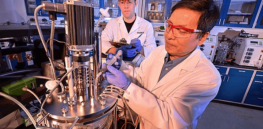
A feast for bioengineered yeast? How leftover agricultural waste can be transformed into bioplastics, pharmaceuticals and fuel
Yeast has been used for thousands of years in the production of beer and wine and for adding fluff and ...
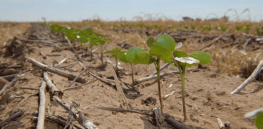
Bioengineer or die: The genetically-engineered toolkit plants need to survive a climate-changed future
Climate change is affecting the types of plant varieties we can cultivate, as well as how and where we can ...

‘Stabilize the climate, halt mass extinction, and reduce the risks of new pandemics’: Can rewilding help nature restore itself?
Rewilding has gone global, and rewilding projects are growing in more than 70 countries across Asia, Africa, Europe, Australia, Latin America and ...
Untapped renewable energy: Roasting cast-off pistachio shells
Pistachios, a popular snack worldwide, generate a substantial amount of waste in the form of hard shells. Typically, these shells ...
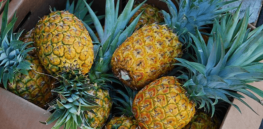
Pineapple scraps don’t have to go to waste — they can be used to make bioplastics
A collaborative research between universities in Thailand and Malaysia have developed a unique kind of bioplastic sheet using pineapple stems from ...
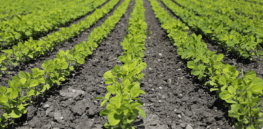
Another AI task: Addressing global hunger and food security
Producing what we need to eat puts an enormous burden on both the climate and the environment. Yet, at the same time, ...

Viewpoint: Canadian government incentives to boost agricultural sustainability lags while billions are given away to high-tech ventures. Here’s why that needs to change
This federal government appears to look at almost every decision through a climate change lens. For better or worse, Ottawa ...

Viewpoint: Simplistic anti-agrobiotech narrative — ‘Companies lie; activists are outraged; regulations are tightened further; companies lie again… Wash, rinse, repeat’
Today’s narrative has a simplistic view: Companies lie; activists are outraged; regulations are tightened further; companies lie again… Wash, rinse, ...

In surprise finding, transition to organic farming leads to decline in bats – at least temporarily
Organic food without pesticides, hormones, fertilizers, herbicides, antibiotics, artificial chemicals, and genetically modified organisms is regarded by many as being better ...
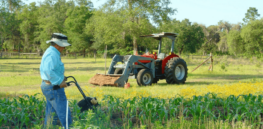
Viewpoint: Outdated organic fanaticism holds back agricultural sustainability — Recent head of Swiss-based Research Institute for Organic says organic embrace of gene-editing would end ‘polarization’
The EU plans to exempt techniques such as CRISPR from the strict restrictions on green genetic engineering, provided that the ...

Viewpoint: ‘Think globally, act locally’? It’s a buzzy environmentalist catchphrase, but it may not be the best way to address climate change and conservation challenges
Few bumper stickers have made as large of an impression as “Think Globally, Act Locally.” Plastered on the back of ...
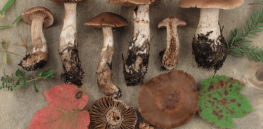
‘More than just eating bugs’: Future proteins made from fungi, algae, and bacteria offer sustainable alternatives to current global diet
Would you eat a burger enriched with mealworms? Fake bacon sliced from a mass of fermented fungi? Milk proteins extruded ...
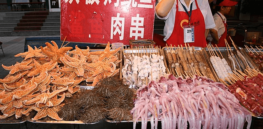
Feeding China’s gargantuan meat appetite releases gigatons of carbon. Could cultured meat address soaring demand and climate disruptions?
The largest protein markets in Asia need to massively scale up their adoption of novel meat substitutes in the coming ...
