


Sustainability & Climate Change
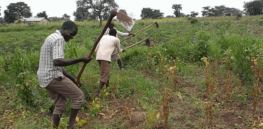
Viewpoint: Uganda drags its feet while other African countries begin embracing genetic revolution in food and farming
It is still a mystery why it has taken so long for agriculture in Uganda to have a clear regulatory ...

Sustainable fashion’s next frontier: Fabric made from bacteria, waste, and carbon
Scientists are hoping to start a fashion trend: making clothes from materials that reduce environmental harm ...
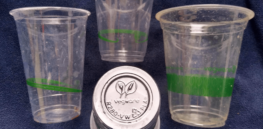
Environmentally-friendly GMO bioplastics favored by consumers despite prevailing negative sentiment on GMO foods
The technology of genetically modified organisms (GMO) and especially genetically modified plants (GMP) applied in agriculture is a key element ...
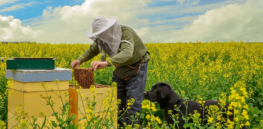
Insects are disappearing from UK farms. Why, and what can be done?
Insect populations are declining worldwide at a rate of almost 1% per year. This decline is alarming. Insects play a ...

Pakistan case study: Illness and famine follow in wake of climate-induced weather disasters
To document one of the most widespread threats — extreme heat — The Post and CarbonPlan, a nonprofit that develops publicly ...

Viewpoint: ‘All-natural’ animal meat misnomer designed to make plant-based foods look bad
The culture war pitting plant-based meat against its animal-based counterpart rages on, it seems. Plant-based alternatives are called “ultra-processed,” “fake” ...
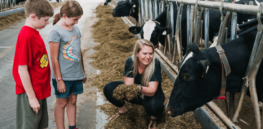
Greenwashing or greening agriculture? Food companies developing efforts to prevent carbon in soil from leaking into the atmosphere
Jason Johnson, Stonyfield Organic’s farmer relationship manager, fires up the AgriCORE soil sampling tool in a pasture with sweeping views ...

America needs food: Why do presidential debates ignore agricultural policy?
Much of the presidential debates involve rehashing points of the last two presidential terms. Gun rights, immigration, and the conduct ...
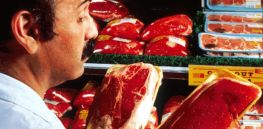
As grocery store prices rise, consumers open to experimentation opt for animal meat over more expensive plant-based versions
In a survey of more than 1,200 US adults, Purdue University found that consumers largely preferred beef from cattle over ...

Viewpoint: Finding optimal crop traits using traditional breeding is like finding ‘a needle in a haystack’. Here’s how precision breeding can help
Finding the best genetic characteristics of a crop one season at a time through traditional plant breeding was like finding, ...

Is lab-grown meat environmentally harmful?
U.C. Davis researchers concluded that producing cell-cultured meat could actually be more burdensome to the environment than its traditionally farmed ...

How heirloom seeds help preserve genetic diversity
Safeguarding heirlooms may be more important now than ever, as the full scope of our current biodiversity emergency continues to come into ...

Sequencing the watermelon family tree reveals ‘lost’ disease-resistance genes that were bred out generations ago
As autumn looms, we’re enjoying the last bites of sweet, juicy watermelon ...
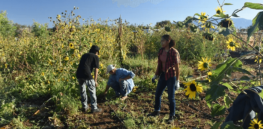
Quixotic vision: Why advocates’ obsession with agroecology will prolong poverty in Africa and the rest of the developing world
Like in the rest of the world, the vision for the future of agriculture in the developing world is highly ...
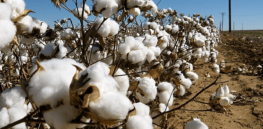
Kenya looks to GMO cotton to jumpstart textile industry
Kenya recently said it will leverage adoption of Bt cotton to revitalise the textile and apparel industry. The government is ...

How a ‘foreign invasion’ contributed to Hawaii’s devastating wildfires
After a catastrophic wildfire that killed more than 100 people in Hawaii, eyes have turned toward an unexpected culprit: invasive ...
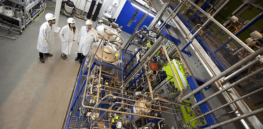
Can we ‘vacuum carbon dioxide from the atmosphere’ to fight global warming?
In August, the Biden Administration granted $1.2 billion in federal funding to kickstart a project intended to vacuum carbon dioxide up ...
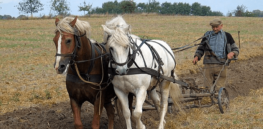
Viewpoint: ‘What would a future without the weed-killer glyphosate look like?’
Glyphosate helped end the reign of the weed once it was approved in 1974. Then, when combined with genetic modification ...

Grasshoppers under siege: Here’s how climate change depletes insect populations and threatens the global food supply
It’s tough out there for a hungry grasshopper on the Kansas prairie. Oh, there’s plenty of grass to eat, but ...

Viewpoint: Claiming a ‘slippery slope’, Non-GMO Project opposes synthetic palm oil, which would protect biodiversity, limit climate change and reduce pollution
Palm oil is ubiquitous, in part because it has a higher yield and lower cost of production than any other vegetable ...
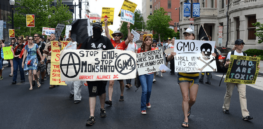
Cost of GMO bans: Global crop assessment finds GMO restrictions limit food production to ⅓ of potential, with poorer countries hit hardest
How costly are GM bans? To find out, we calculate by how much yields would have been higher in 2019 ...
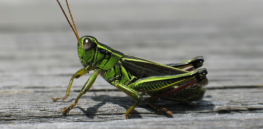
Canadian farmers abandon organic certification because approved ‘natural’ chemicals can’t control devastating grasshoppers
Organic growers may have decisions to make after grasshoppers chomped their way through prairie fields this summer ...
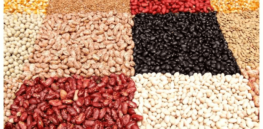
Genetically-modified crops poised to revolutionize sustainable farming in Nigeria
One of Nigeria’s standout accomplishments is the commercialisation of genetically modified (GM) crops, a significant milestone that has garnered attention ...

How gene editing can keep melons fresher for longer
The gaseous plant hormone ethylene has been long known to promote fruit ripening and play a certain role in shelf-life ...

Lab-grown meat: This may be the only way to sustainably boost global meat production
Some may baulk at the idea of meat originating in a lab, but the United Nations' Intergovernmental Panel on Climate ...

Could beanless brews redefine the coffee industry and sharply reduce its carbon footprint?
The link between coffee and climate change is well-documented. The industry has been hit with low harvests, uneven yields and uncertainty ...
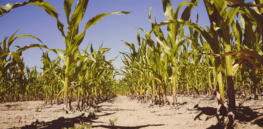
Green transition: How agriculture can drive climate change solutions
It is widely recognized that we must transition our energy economies to a greener, more sustainable state. This will only happen ...
