The EU plans to exempt techniques such as CRISPR from the strict restrictions on green genetic engineering, provided that the modified plants cannot be distinguished from naturally occurring ones. Environmental groups and organic farming criticize the plan. But Urs Niggli, agronomist and longtime spiritus rector of organic farming, disagrees. In an interview, he explains why classic organic farming has to be careful not to lose its pioneering position in sustainability.
Is it possible that the organic sector wants to get the “GMO-free” label, which is effective in advertising?
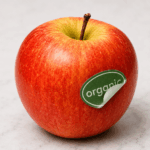
Yes, the organic associations are currently fighting alongside the NGOs in Brussels against the regulation. Their view of GM is outdated, but now “GM-free” is a political and selling point. The organic associations deliberately keep up the fear of molecular biological breeding methods in order to be able to distinguish themselves on the market.
But why is the new genetic engineering needed at all?

We need solutions for the future of world nutrition. In 30 years, two billion more people will be sitting at the table. We not only have to maintain the quality of the soil, as organic farmers do, but also use the scarce land sparingly. Today’s intensive agriculture reduces biodiversity. Organic farming is one of many approaches to address these issues. But unfortunately it delivers 20 to 50 percent less yield per area than conventional agriculture. This means that with exclusively organic agriculture we would have to destroy even more natural areas in order to be able to feed people. So we also need conventional agriculture – but in a more sustainable form than today.And to become more productive – especially in times of extreme weather – the new genetic engineering can help us.
[Editor’s note: This article has been translated from German and edited for clarity.]