Viewpoint: Are the U.S. and Europe headed towards a repudiation of agricultural biotechnology red tape?

Screenshot 2026-07-22 at 1.38.55 PM

2026 may well be remembered as the year global agriculture began to untangle itself from decades of precautionary red tape. Earlier this year, the agricultural biotechnology landscape shifted in two places that have long defined opposite poles of the regulatory debate: the European Union, historically the home of exceedingly precautionary biotech rules, and the United States, a pro-innovation leader now eyeing a massive regulatory overhaul.

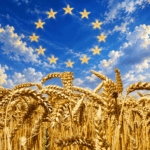
The EU Parliament recently approved a landmark framework for regulating New Genomic Techniques (NGTs). Many plants developed with CRISPR or other precise gene-editing techniques will now be treated more like conventional crops by regulators than transgenics, commonly referred to as “GMOs.” Meanwhile, the US Department of Agriculture is weighing a clean break from its legacy Part 340 biotechnology rules, in place since the late 1980s.

Together, these moves mark a broader retreat from process-based regulation toward more risk-based and technology-agnostic frameworks. Product-based regulations ask what a product does, what risks it plausibly poses, and whether regulation will actually improve safety—rather than focusing on the technology used in development. This is about more than administrative streamlining; it’s the key to a new wave of agricultural innovation.

Follow the latest news and policy debates on sustainable agriculture, biomedicine, and other ‘disruptive’ innovations. Subscribe to our newsletter.

While the EU’s NGT reforms and the US’s potential overhaul are steps in the right direction, true modernization demands that all genetically engineered products—gene-edited and transgenic alike—be treated the same as conventionally bred crops. Continuing to differentiate between these categories as a proxy for risk conflicts with the scientific consensus that gene-edited and transgenic crops don’t pose new risks compared to conventional breeding, often making changes to a plant’s DNA with greater speed and accuracy and fewer unintended changes. Only by aligning regulations with established science will we unlock the benefits of biotechnology innovation in agriculture.

Emily Bass is Associate Director of Federal Policy, Food and Agriculture at Breakthrough Institute. Follow Emily on X @EmilyJane_Bass

A version of this article was originally posted at The Ecomodernist and has been reposted here with permission. Any reposting should credit the original author and provide links to both the GLP and the original article. Find Breakthrough Institute on X @TheBTI

{{ reviewsTotal }}{{ options.labels.singularReviewCountLabel }}
{{ reviewsTotal }}{{ options.labels.pluralReviewCountLabel }}
{{ options.labels.noReviewsLabel }}
{{ options.labels.newReviewButton }}
{{ userData.canReview.message }}

Related Articles

Infographic: Global regulatory and health research agencies on whether glyphosate causes cancer

Infographic: Global regulatory and health research agencies on whether glyphosate causes cancer

Does glyphosate—the world's most heavily-used herbicide—pose serious harm to humans? Is it carcinogenic? Those issues are of both legal and ...

Most Popular

ChatGPT-Image-Jul-26-2026-05_58_17-PM
Louisiana and Texas bring RFK,Jr.- MAHA-backed restrictions on dyes and other ‘controversial’ ingredients to eight states
ChatGPT-Image-Jul-26-2026-05_35_53-PM
FDA takes up peptide therapies as hype outpaces science
ChatGPT-Image-Mar-10-2026-01_39_01-PM
Viewpoint—“Miracle molecule” debunked: Why acemannan supplements don’t work
ChatGPT-Image-Jul-9-2026-11_33_49-AM
Viewpoint: High-dose resveratrol supplements to extend health and life? Don’t waste your money.
ChatGPT-Image-Jul-10-2026-09_42_12-AM-1
Peptides, patient autonomy, and the limits of medical freedom
Screenshot-2026-07-23-at-11.58.47-AM
Viewpoint: ‘Thought police in the UK?’ Conservatives lash out at government report calling anti-LGBQT+ narratives ‘false and misleading’
ChatGPT-Image-Jul-22-2026-09_13_07-AM
Viewpoint—The Strategic Litigation boom: Understanding the tightening coalition among NGOs, foundations, journalists, and tort lawyers
organic scaled
Facts & Fallacies podcast: Organic food cuts pesticide exposure? A response to Dr. Rhonda Patrick
IVF Rex
Poll: Younger people more open to using genetics to increase fertility and reduce chances of inherited diseases 
How to Include More Strawberries in Your Diet
Strawberries are berries—and 35 other surprising food and drink myths
Screenshot-2026-07-07-at-12.55.44-PM
Viewpoint: Yes, we can adapt to a changing climate without devastating the environment and the economy
ChatGPT-Image-May-22-2026-10_26_09-AM
Trump-RFK, Jr. National Science Board firings: Accountability vs. partisan meddling
ChatGPT-Image-Jun-25-2026-12_23_17-PM
No, Bill Gates did not secretly engineer ticks to promote veganism
glp menu logo outlined

Get news on human & agricultural genetics and biotechnology delivered to your inbox.