


Health & Medicine

Dr. Oz set to respond as more physicians, scientists, journalists call for Columbia to drop “quack” promoter
Dr. Oz plans to strike back at the doctors who wrote a letter (see below) to the Dean of Health Sciences and ...
Center for Public Integrity says key food industry safety scientists tied to Big Tobacco
A Center for Public Integrity analysis of publicly available data found that Joseph Borzelleca is the most active of a small group of ...
Why dieting won’t help you lose weight, explained by evolution
When it comes to keeping weight off, a combination of circumstances conspires against you. Each one on its own makes ...

Dr. Oz complaint letter may backfire, undermining efforts to expose his ‘fear mongering’
Recently I wrote about a letter sent to Lee Goldman, MD, the Dean of the Faculties of Health Sciences and Medicine ...

Worried about eating a bacon burger? That’s orthorexia–Misplaced obsessions of the affluent
It’s become very fashionable to get overly focused and concerned over the food choices we have. Guess what: That's as ...

Arsenic in your food? Scared? Shouldn’t be, but if so there’s a GMO fix
Arsenic levels are high in rice and rice products, since the rice plants take it up from groundwater. New research ...

Fall of Dr. Oz: Tour of the world of a celebrity medical quack
Dr. Oz is arguably the most influential health professional in America. The Dr. Oz Show, which started in 2009, has an average ...
FDA uses genome sequencing to combat food-borne illnesses
Last week, two companies issued national recalls of their products due to listeria contamination. For Sabra Dipping Company, which is recalling ...
What’s the ideal amount of exercise for a healthy life?
Exercise has had a Goldilocks problem, with experts debating just how much exercise is too little, too much or just ...
How is genetic risk for breast cancer evaluated?
A letter in the current People magazine referring to Jolie’s recent announcement of the removal of her ovaries, following a double ...
Racial health differences caused by society, not genetics
It is no secret that a longer life is a white privilege in the U.S. In 2011, the Centers for ...
Genetic changes in father’s sperm might explain autism risk
"DNA changes could explain why autism runs in families, according to study," The Independent reports. Research suggests a set of changes ...
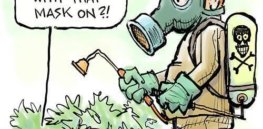
What’s behind knee jerk concerns about glyphosate, GMOs?
The world’s most commonly sprayed herbicide—glyphosate—is currently trapped in a familiar media cycle. The cycle goes something like this: 1) ...
Chinese citizens sue government over its Roundup approval process 27 years ago
Three Chinese citizens are taking China's Ministry of Agriculture to court in a bid to make public a toxicology report ...
Toxicology studies could impede advances in nanotechnology
Nanomaterials have been on the scene for over 15 years and they are being applied in a variety of sectors ...
Genetic tests in clinic fall short for prescribing best cancer therapy
Many cancer patients in clinics across the United States might be getting inaccurate information from DNA analyses that are intended ...
New Alzheimer’s research illuminates origins of disease
The hope that Alzheimer’s will one day be curable has in recent years faded to a flicker as successive clinical ...
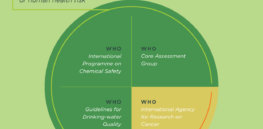
Weighing risks of glyphosate should lead to mindful use not elimination
Late last month, the International Agency for Research on Cancer, an arm of the World Health Organization, issued a report ...
Exposing ‘charlatans’: Why Vani Hari’s days of popularity are waning
I am a friend of Yvette d’Entremont, A.K.A. Science Babe, and I am proud of her. She’s done a great ...
Can a placebo pill actually serve as drug therapy?
Placebos have helped to ease symptoms of illness for centuries and have been a fundamental component of clinical research to ...
Six decades ago, US celebrated first successful polio vaccine
Sixty years ago, at about the time you’re reading this, church bells began to ring across the United States. Cars honked ...

GENeS launches: New project provides journalists, NGOs, policy analysts scientific expertise on breaking stories
Journalists and policymakers take note: GENeS--Genetic Expert News Service--is now live! Turn to GENeS for independent expert analysis and commentary ...
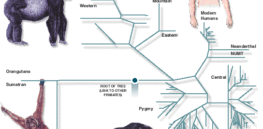
Are humans genetically unique?
A new paper in Science reports high (20-40 percent) derived frequencies for an allele which seems correlated with higher rates of ...
For modern parents, how to weigh pros and cons of sequencing baby’s genome
At 31 years old, not a day goes by without overhearing one of my friends discuss the pros and cons ...
No, a single hormone cannot turn mice gay
In 2011, a group of scientists “turned mice gay.” The only issue is, of course, they didn’t. Rather, Yi Rao ...
