Drop in antibiotic profitability partially responsible for rise of resistance

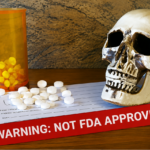
Within the slow-brewing crisis of antibiotic resistance—which according to the Centers for Disease Control and Prevention kills 23,000 Americans each year—there are a lot of failures: of health care personnel who prescribe drugs when they should not; of patients who take drugs badly and encourage resistance to develop; of the drugs themselves, which no longer work against bacteria with toughened defenses. But an important and little-discussed part of the problem is that, once resistance undermines the action of some antibiotics, there are few other drugs to resort to.

If you accept that the antibiotic era began with the first uses of penicillin in 1943, then we had about 65 years of easy access to a pipeline of antibiotics that delivered reliable new cures when resistance made older drugs unreliable. And then, fairly suddenly, we didn’t. About 2000, numerous companies withdrew from antibiotic manufacturing, and the number of new antibiotics in development dropped from dozens to three.

That decision not to make antibiotics actually makes sense. Antibiotics are taken for relatively short courses, unlike cancer or heart-disease drugs, and they are sold for relatively low prices, compared for instance to cancer drugs. Moreover, resistance begins to develop as soon as antibiotics are used—unless a new antibiotic is considered so precious that it is instead reserved for the most last-resort cases. (In that case, it stimulates neither resistance nor income.) For all those reasons, not making antibiotics is a rational choice for a private company that answers to shareholders and analysts, even if that choice deprives the wider world of a wider good.

The GLP aggregated and excerpted this blog/article to reflect the diversity of news, opinion and analysis. Read full, original post: We Need Antibiotics. They’re Not Profitable To Make. Who Pays?


{{ reviewsTotal }}{{ options.labels.singularReviewCountLabel }}
{{ reviewsTotal }}{{ options.labels.pluralReviewCountLabel }}
{{ options.labels.newReviewButton }}
{{ userData.canReview.message }}

Related Articles

Infographic: Global regulatory and health research agencies on whether glyphosate causes cancer

Infographic: Global regulatory and health research agencies on whether glyphosate causes cancer

Does glyphosate—the world's most heavily-used herbicide—pose serious harm to humans? Is it carcinogenic? Those issues are of both legal and ...

Most Popular

Picture1
The Orange Bowl without oranges: Can CRISPR save Florida citrus?
ChatGPT-Image-May-1-2026-11_42_59-AM-2
Viewpoint: NAD is the wellness grifters latest evidence-lite longevity fad. At least the mice are impressed.
Screenshot-2026-04-22-at-12.21.32-PM
Viewpoint: Why the retracted Monsanto glyphosate study doesn’t change the science—the world’s most popular herbicide is safe 
vax-misinformation-main
Facts & Fallacies Podcast: Limit free speech to blunt social media misinfo?
global warming
‘Implausible’: Top climate scientists reject worst-case scenario—soaring temperatures and fast-rising sea levels
ChatGPT Image May 26, 2026, 12_06_53 PM
Fake Ebola cure promoters already cashing in as disinformation videos flood social media
ChatGPT Image May 24, 2026, 03_16_36 PM
Here come the biohackers' Enhanced Games—The Olympics for athletes doping up on steroids, hormones and peptides. What’s wrong with that?
Screenshot 2026-05-22 at 11.31
‘Realistic and durable’: EPA proposes loosening restrictions on some PFAS ‘forever chemicals.’
Picture1
The FDA couldn’t find a vaccine safety crisis, so it buried its own research
Screenshot-2026-05-21-at-12.15.17-PM
UK gene-editing milestone: Livestock barley that increases ruminant value and reduces methane emissions is first-approved CRISPR crop
Screenshot-2026-05-22-at-11.59.38-AM
Is surrogacy modern-day slavery? What to know about Florida Republican effort to pass severe restrictions.
glp menu logo outlined

Get news on human & agricultural genetics and biotechnology delivered to your inbox.