
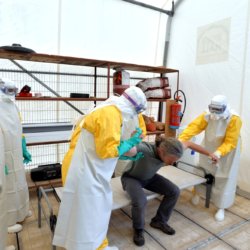
The WHO’s emergency declaration cited eight confirmed cases, 246 suspected cases, and 80 suspected deaths from the rare Bundibugyo strain, a variant with no approved vaccine and no specific treatment. The virus had already crossed into Uganda, with two confirmed cases in Kampala, including one death. Case fatality rates in the two previous Bundibugyo outbreaks have ranged from 30% to 50%.
That is the outbreak. It is serious and deserves serious attention.
But what follows is what always follows.
Within 48 hours of the first confirmed Ebola reports on May 15th, my social media monitoring account surfaced 640 Ebola-related videos across TikTok, Instagram, and YouTube — totaling over 68 million views. A separate search focused specifically on disinformation keywords — “ebola conspiracy,” “ebola bioweapon,” “ebola cure,” “ebola cover up” — returned 50 videos and 2.6 million views in the same period.
…
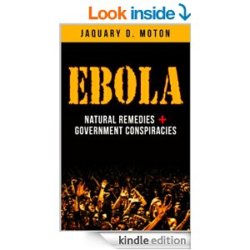
The accounts posting this content are not confused bystanders. Many of them are repeat players.

…
Each of these accounts gains followers, views, and in some cases, direct revenue from the content. The supplement seller gets sales. The astrology influencer gets paying clients. The conspiracy account gets algorithmic amplification, which drives ad revenue and brand deals.