



Daily Food & Ag Digest
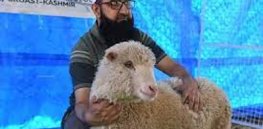
India’s new gene-edited sheep increases muscle mass by 30%
The Sher-e-Kashmir University of Agricultural Sciences and Technology (SKUAST-Kashmir) has successfully produced a gene-edited sheep, setting a new benchmark in ...
Viewpoint: Why agriculture should not be politicized
[A]ttaching a political label to [agriculture] means we lose the opportunity to have meaningful connections and conversations based on fact ...
Poll: Few voters concerned about pesticide use in agriculture
Fifty-seven percent of national voters agreed that farmer control over weeds, diseases and pests on crops keeps food affordable, according ...

60% of imported bananas go bad. How non-browning gene edited varieties will help reduce waste
It is estimated that a third of the produce that is harvested worldwide is never consumed and goes to waste ...

Knowing from where crops originated and are grown is crucial to a sustainable food future
Over a third of the world’s food is grown by small-scale farmers who are unpaid and undervalued. Knowing where food ...

‘We’re talking about enough food for hundreds of millions of people’: Why are crops suddenly failing in different parts of the world?
In fields across the globe, crops that once thrived under predictable seasons are now struggling to survive. Hotter days and ...

How biotech shapes climate-smart agriculture in Asia and Australasia
“We’re in a race against time.” This is the alarming call of Silvia Restrepo, President of the Boyce Thompson Institute ...
Viewpoint: What the MAHA report gets wrong about crop chemicals
Crop organizations say President Donald Trump’s administration is raising baseless questions about pesticide safety in the first report from the ...

There is no agreed upon definition of regenerative agriculture. Canadian farmers want to change that
With producer and policy interest in regenerative agriculture growing across Canada, policymakers and industry leaders are debating how to standardize ...

AI and machine learning could accelerate and mainstream the culture meat revolution
Cultured meat (CM), known by many names including “cell-based” or “cultivated” meat, is an emerging technology that uses tissue engineering ...
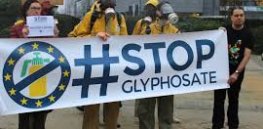
New Zealand edges closer toward GMO deregulation, rise of glyphosate limits spurring concerns among activists
The Government says there is no link between a proposal for a hundredfold increase in the allowable residue of the ...

Food as Medicine: Groundbreaking Oklahoma law encourages integration of nutrition into healthcare
With the recent passage of Oklahoma Senate Bill 806, also known as the Food is Medicine Act, the state is ...
Plant biotechnology is an indispensable tool for enhancing crop resilience to droughts and floods
As climate change intensifies extreme weather events, the agriculture sector is faced with the arduous task of finding ways to ...

Will RFK, Jr. try to ban glyphosate weedkiller?
After targeting dyes and other chemicals allowed for use in food, Health and Human Services Secretary Robert F. Kennedy Jr. is zeroing ...
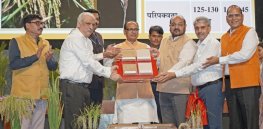
India approves its first gene edited crop—rice that uses less water, reduces carbon emissions and increases yields
India has made a historic leap in Sustainable Farming by unveiling the world’s first Genome-Edited Rice varieties. “Pusa DST Rice ...
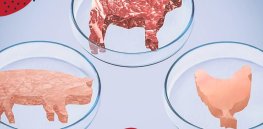
Viewpoint: Is the cultivated meat movement a way to reduce ‘nonhuman suffering’ or is it animal exploitation greenwashing
There’s a criticism which I see with some frequency in the animal-rights movement which argues those who view cultivated meat ...
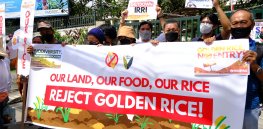
Viewpoint: Vitamin-rich Golden Rice mired in the ideological infighting
White rice is the staple crop in many low- and middle-income countries (LMICs). It must be polished for storage and ...
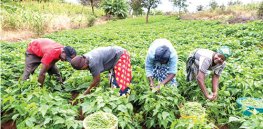
Empowering small farmholders and indigenous cultures is central to preserving at risk plants and forests
Empowering farmers, Indigenous Peoples, local communities and scientists to conserve and use genetic resources is key to resilient agrifood systems ...

Viewpoint: RFK, Jr. walking a tightrope in regulating pesticides and agriculture
Fifty-seven percent of national voters agreed that farmer control over weeds, diseases and pests on crops keeps food affordable, according ...
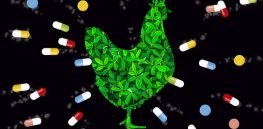
Could residues of growth promoters used in meat production result in Olympic athletes testing positive for drug use?
Scientists at UCLA's Olympic Analytical Laboratory turned their sophisticated analytical capabilities for testing athlete samples for performance-enhancing drugs to research ...
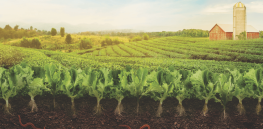
Global regenerative farming market is booming. Here’s why
As global concerns about climate change, soil degradation, and food security intensify, regenerative agriculture has emerged as a beacon of ...

The growing role of AI, automation and renewables in agriculture
The use of artificial intelligence in agriculture is revolutionizing how people grow food. AI-powered systems can analyze vast amounts of ...
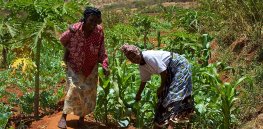
Empowering small farmholders and indigenous cultures is central to preserving at risk plants and forests
Empowering farmers, Indigenous Peoples, local communities and scientists to conserve and use genetic resources is key to resilient agrifood systems ...
Should genetically modified crops be regulated by the process that created them or the final product?
In many regulatory frameworks, a transgenic organism is one that contains deliberately altered genetic material which does not occur "naturally" ...

RFK, Jr.’s MAHA Health Commission attacks vaccines, ultra-processed food for chronic health problems, tiptoes around criticizing crop chemicals
President Trump's Make America Healthy Again Commission blamed factors including bad diets, chemical exposure and unnecessary medication for causing childhood ...
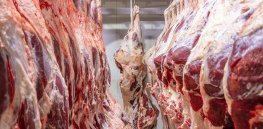
Tariff war: Europe open to trade concessions but draw the line at importing America’s hormone treated ‘beautiful beef’
Strict European Union food regulations, including a ban on hormones, govern [international butcher's work]. And those rules could turn into ...

Swedes, especially youth, are open to crop gene editing and want regulations relaxed
Gene editing offers the opportunity to breed with precision, adapting crops and farm animals to a changing climate, providing disease ...
