
Empowering farmers, Indigenous Peoples, local communities and scientists to conserve and use genetic resources is key to resilient agrifood systems

Strengthening the conservation and sustainable use of plant genetic resources is a fundamental necessity for ensuring a more sustainable, resilient and food-secure future for all, according to FAO Director-General QU Dongyu.
As the world faces widespread hunger, malnutrition and poverty, exacerbated by biodiversity loss, climate change, land degradation, and conflicts, there is an urgent need to halt the loss of the genetic resources that support agrifood systems.
Two reports published … under the auspices of the Commission on Genetic Resources for Food and Agriculture, under the Food and Agriculture Organization of the United Nations (FAO), emphasize the need for urgent action.
The Third Report on the State of the World’s Plant Genetic Resources for Food and Agriculture, published on Monday, and the Second Report on the State of the World’s Forest Genetic Resources, published on Wednesday, reveal concerning trends in global plant and forest diversity. For example, more than 40 percent of all taxa surveyed are no longer present in at least one of the areas where they were previously cultivated or occurred naturally, while about one-third of tree species are threatened.
The reports were published during the 20th Regular Session of the Commission, during which governments and non-state actors reviewed the global situation and advocated for policies and practices that protect and promote genetic diversity in agrifood systems.
The State of the World’s Plant Genetic Resources for Food and Agriculture
The term “plant genetic resources” refers to any genetic material of plant origin with actual or potential value for food and agriculture, including material from domesticated and wild species. These resources can be used for food, animal feed, non-food products such as medicines, fuel, fibre, clothing, or ornamentals.
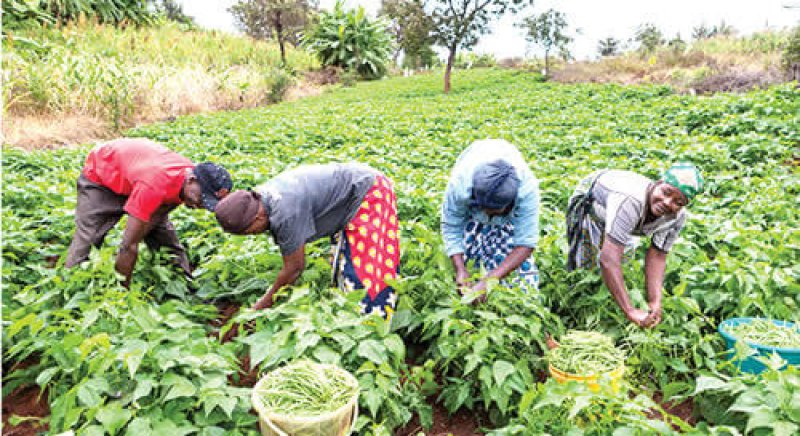
Supporting genetic diversity in agriculture goes beyond protecting species and varieties. It also preserves traditional practices and cultures worldwide, including those of Indigenous Peoples, small-scale agricultural producers, and local communities. These people are the stewards of much of the world’s genetic resources and biodiversity.
FAO’s Third Report on the State of the World’s Plant Genetic Resources for Food and Agriculture provides a global assessment of the status of the conservation and sustainable use of plant genetic resources.
The report, based primarily on information provided by 128 countries and several international research centers, highlights losses in plant diversity and worrying data gaps.
It also offers some good news. For instance, since 2009, there has been an eight percent increase in the preservation of seeds or other plant materials in “germplasm collections,” helping to ensure that the genetic resources needed for future breeding programs remain available. The global seed market increased in value from $36 billion in 2007 to more than $50 billion in 2020, with 40 countries (more than two-thirds of them developing countries) reporting improvements in their seed systems, facilitating farmers’ adoption of suitable crop varieties.



While global human and institutional capacities have improved, for instance in the greater application of efficiency-enhancing biotechnologies to using and conserving plant genetic resources, progress has been uneven. Strengthening these capacities is crucial to fully implementing the Second Global Plan of Action for Plant Genetic Resources for Food and Agriculture and meeting other global commitments, such as the Sustainable Development Goals and the Kunming-Montreal Global Biodiversity Framework.
“Strengthening the conservation and sustainable use of plant genetic resources is not just an agricultural priority – it is a fundamental necessity for ensuring a more sustainable, resilient and food-secure future for all,” FAO Director-General QU Dongyu wrote in the report’s foreword.
The State of the World’s Forest Genetic Resources
The Second Report on the State of the World’s Forest Genetic Resources assesses the conservation, sustainable use and development of the genetic resources of trees and other woody plants. It finds that the availability of information on forest genetic resources has increased but remains inadequate, hindering efforts to improve their management.
Taxonomic and threat assessments carried out over the past decade have increased the availability of information on trees and other woody plant species. However, most such species remain inadequately studied.
There are approximately 58,000 tree species worldwide, about 1,600 woody bamboo species, and nearly 500 species of rattans (climbing palms). Threatened tree species, about 30 percent of the total, are found worldwide, but most are located in tropical and subtropical areas.
The report found that nearly two-thirds of countries maintain national inventories of forest genetic resources, gathering information from various stakeholders. Globally, countries reported more than 2,800 species of trees and other woody plants, of which nearly 1,800 have been genetically characterized. Approximately 1,400 and 1,100 species are included in in situ and ex situ conservation programs, respectively.
Globally, deforestation, forest degradation, climate change, fires, pests, diseases, and invasive species are threatening many trees and other woody plant species and eroding their genetic diversity. The report found that common and widely distributed tree species retain much of their genetic diversity, while rare and threatened species have lost significant amounts.
More than two-thirds of countries have national tree-seed programs, but many are experiencing shortages of seed and other reproductive materials. This poses challenges for establishing new forests and achieving the target of a three-percent increase in the global forest area by 2030.
Although countries reported many examples of how forest genetic resources have contributed to sustainable development, international awareness of their importance remains low. This and other gaps require reinforced efforts to implement the Global Plan of Action for the Conservation, Sustainable Use and Development of Forest Genetic Resources.
“Investing in forest genetic resources and managing them sustainably will enable the adaption of the world’s forests to climate change while also increasing productivity and developing new products; it will help safeguard human well-being and maintain forest health,” the FAO Director-General wrote in the report’s foreword.