


Daily Food & Ag Digest
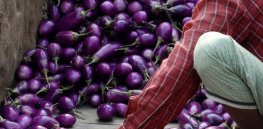
Indian farmers grow illegal insect-resistant Bt eggplant to control destructive pests, as government lags on approval
Farmers in Haryana and experts fear widespread contamination of genetically modified (GM) brinjal or eggplant in the state with a ...

Viewpoint: ‘Political populism’ dictates Europe’s bureaucratic anti-GMO crop rules
As individuals, we’re able to decide whether a single action is acceptable to us, or deemed to be too risky ...

Kenya reconsidering GMO crop ban to support food security
Kenya is reconsidering its 2012 import ban on genetically modified maize as more than 1 million of its citizens require urgent humanitarian ...
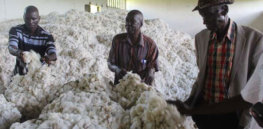
‘Exotic’ genes from obsolete cotton varieties could boost crop yields without sacrificing fiber quality
Cotton breeders face a "Catch-22." Yield from cotton crops is inversely related to fiber quality. In general, as yield improves, ...
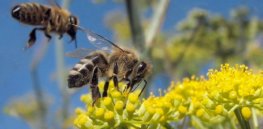
Podcast: ‘Are we all going to die?’ Entomologist breaks down the ‘bee-pocalypse’ that ‘threatens the global food supply’
Bees are important crop pollinators and reduced bee numbers have been described by farmers overseas as a bee crisis. Global ...

USDA endorses G-20 commitment to science-based policy, sustainable farming technology
USDA officials signed on to a G-20 statement backing the development of climate-smart technology and promoting science-based decision-making. Top USDA ...
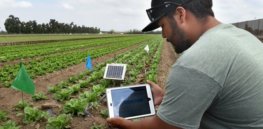
IBM, Yara International announce digital platform to optimize crop production for individual farms
Yara International, a leader in crop nutrition, and IBM announced [April 26] an agreement to build the world’s leading digital ...

Omega-3 oil from GMO plants equivalent to fish oil, human clinical study shows
Research .... has shown that key omega-3 fatty acids within GM plant oils are taken up and processed by the ...

Neonicotinoid insecticides threaten birds? Friends of the Earth botches the science, entomologist says
Usually the Friends of the Earth emails are about some environmental cause that makes me chuckle. They’re always on the ...

Viewpoint: Why grow GMO crops? Because they cut pesticide use 37%
The development and utilization of GMOs is not well understood by most consumers, causing them to be susceptible to misleading ...

Genetically modified Arctic Fuji apple headed for grocery stores following FDA approval
Okanagan Specialty Fruits Inc., developer of genetically modified non-browning apples, on April 26 received U.S. Food and Drug Administration approval ...

EPA reaffirms glyphosate weed killer safe, calls IARC cancer designation an ‘outlier’ inconsistent with multiple assessments
The U.S. Environmental Protection Agency on [April 30] reaffirmed its finding that glyphosate, the world's most popular herbicide, is not ...

Canadian farmers anticipate access to new GMO crops as US-China trade deal nears completion
Canadian farmers may benefit from the trade dispute between the United States and China to the tune of hundreds of ...

From prosthetic limbs to lab-grown meat, technology can drastically improve animal welfare
While it's easy to think about all the ways technology has benefited humans, major technological advances have improved the lives ...

Soil erosion accelerates climate change, impacting 3.2 billion people, UN report claims
There's three times more carbon in the soil than in the atmosphere – but that carbon's being released by deforestation ...

Following two glyphosate-cancer lawsuit defeats, here’s how Bayer may shore up its legal losses
San Francisco federal judge Vince Chhabria’s decision to split up the pivotal bellwether trials over an alleged link between Monsanto’s ...
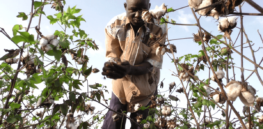
Burkina Faso cotton production plummets after phasing out insect resistant Bt GMO crop
Cotton production in Burkina Faso is continuing its downward slide three years after the nation phased out the use of ...

Costly glyphosate-cancer legal battles spark Bayer shareholder ‘revolt’
You can't blame the Americans at Monsanto any more. Europe's most politically inflammatory chemical — the ubiquitous weedkiller glyphosate — ...

‘Sticky’ pesticides could protect crops, cut harmful agricultural runoff
A problem with many pesticides is that rain washes them off plants and into the soil and groundwater. Now, researchers ...

‘Road map’ of pollen development could help breed more desirable food crops
....Sexual reproduction has evolved as nature's way of shuffling the genetic deck of cards, so to speak. That shuffling actually ...
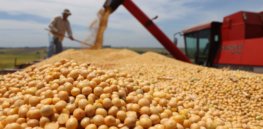
Chinese import restrictions block Brazil’s access to latest GMO crops
Brazil Foreign Minister Ernesto Araujo said on [April 25] that the country must work with China to reduce non-tariff barriers ...

Alternative protein market gets competitive as startup Beyond Meat preps for IPO
Wall Street is going vegan. At some point in the next four weeks, Beyond Meat, a pioneering plant-based meat alternative ...
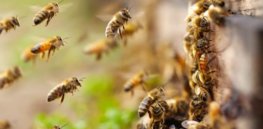
Viewpoint: Ironically named ‘Saving America’s Pollinators Act’ would harm bees, hinder sustainable farming
Some old ideas for bad laws are endlessly recycled. Take the case of the Saving America’s Pollinators Act, a nearly six-year-old ...

Attempts to CRISPR gene edited cassava plants to fight off viruses resulted in mutated viruses, study finds, raising concerns
Using gene-editing technology to create virus-resistant cassava plants could have serious negative ramifications, according to new research by plant biologists ...

Viewpoint: GMO crops could reduce, even eliminate, dangerous allergens in common foods
My brother was in his mid-20s when he developed a food allergy....[H]e discovered that his unpleasant side effects occurred whenever ...

Tyson Foods ends investment in plant-based protein startup Beyond Meat
Tyson Foods, the US meat producer, has exited its investment in Beyond Meat, the alternative protein company which is due ...

Activists, scientists spar over effort to restore American chestnut tree with genetic engineering
The American chestnut tree once sustained a way of life. Pioneers used the tall, straight, and fast-growing tree for fences, ...
