


Daily Food & Ag Digest
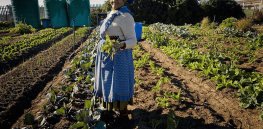
Viewpoint: Small plot African farmers should not be denied access to benefits of genetically modified crops
South African farmers who have been early adopters of genetically modified (GM) seed technology are in the fortunate position of ...

Leather jacket look-alikes made from shrimp shells? Check out this biomaterial innovation made from ‘chitosan’
TômTex’s model aims to tackle two problems at once: finding biodegradable materials for garment manufacturers and upcycling mountains of marine ...

‘Mexico’s current biotechnology trajectory is not grounded in science’: USDA Secretary Vilsack on Mexico’s plan to ban imports of genetically modified corn, claiming possible health and environmental hazards
U.S. Secretary of Agriculture Tom Vilsack issued the following statement regarding the March 6 announcement by the Office of the U.S ...

Breeding better cattle? Genetic screening becomes widespread
Traditionally animal breeders would select animals based on their physical characteristics, such as body weight, milk production or size. However, ...
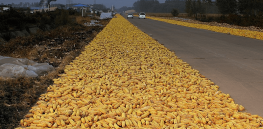
Bucking popular skepticism, China rolls out GMO corn as global food security pressures loom
China will likely plant less than 1% of its corn fields with genetically modified varieties this year, said two people ...
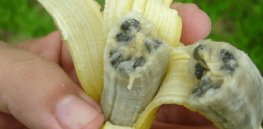
Here’s how gene editing could save the beloved Cavendish banana from extinction
US-based Elo Life Systems, a biotech company targeting food sustainability, is tapping into gene-editing to save Cavendish bananas from a ...

$1.25 for a gallon of carbon-neutral gasoline? How sewer sludge and other bio-waste could provide cheap energy
Mark Holtzapple is a professor at Texas A&M University in the Mcferrin Department of Chemical Engineering. He's spent most of ...
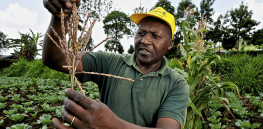
Here’s how Kenya is inching its way into the biotechnology revolution in agriculture
The biotech research community in Kenya heaved with relief when the government lifted a decade-old ban on genetically modified organisms ...

Large-scale solution to climate change? Living Carbon plants first genetically modified trees in US forest
Living Carbon’s poplars start their lives in a lab in Hayward, Calif. There, biologists tinker with how the trees conduct ...
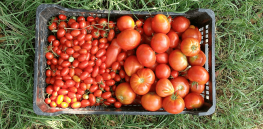
Metabolic engineering: Genetically-modified tomatoes that reduce inflammation developed in Japan
Scientists from the Tokyo University of Science and the Iwate Biotechnology Research Center have engineered potato and tomato plants to ...

Regulating lab meat: While the European Union drags its feet, Singapore and the US develop regulatory models for assessments and approvals
Both the US and Singapore have seen cultivated meat products pass through their regulatory processes, yet the two governments approach ...
Viewpoint: As New York debates limiting neonicotinoid pesticides, farmer explains how ban would escalate spraying of more hazardous chemicals
I’ve been growing grapes, cherries, and other crops for 45 years in western New York. I grew up on a ...

Economic ‘de-growth’ or ‘green growth’: Which climate change strategy makes the most sense?
Scientists have long debated whether carbon emissions reductions and economic growth can co-exist. The developments of the last decade show ...

Mutant mosquito that transmits malaria year round and is resistant to local insecticides identified in Kenya
Researchers from Kenya’s Medical Research Institute have detected a new species of mosquito in the East African nation that has shown ...
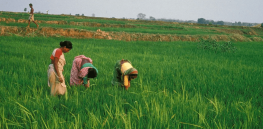
Viewpoint: ‘Addressing India’s greatest national security risk’ — How CRISPR gene-editing could help address drought and other climate change disruptions
Drought may be India’s greatest national security risk today. As serious droughts become more frequent, helping farmers grow more food ...
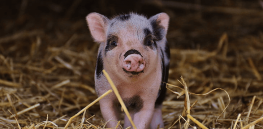
‘Good for climate and welfare’: Assisted fertilization in development for pigs, but some animal rights groups push back
A research group at the Norwegian company Norsvin will study better methods for fertilizing pigs in the laboratory and transporting ...
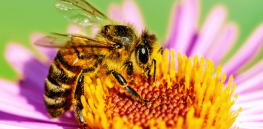
Viewpoint: No, pollinator declines are not causing 500,000 premature human deaths a year, as The Guardian and Le Monde report
Under the catchy title "The decline of pollinating insects causes 500,000 premature deaths per year", lepoint.fr published a brief translation ...

Snake oil? Are biologicals used by farmers to treat diseases, fend off pests and enhance soil health effective?
The aim of the European Seed series on Myths, Fake News, Misinformation and Disinformation is to dive deeper, taking a closer ...
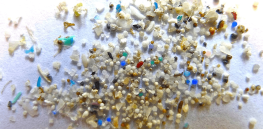
Plastics make agriculture possible — but are microplastics harming soil?
Frequent extreme weather and growing food demand have exacerbated reliance on plastics to increase grain yield. Plastics used in agriculture ...

Viewpoint: ‘Our planet is at a breaking point’ — Is it time to foster innovations like precision fermentation and cultivated meat to realign food systems with climate reality?
Many of us have enjoyed a boom of eating what we want, when we want it, and are only now ...
Do conventional crops reduce biodiversity as advocacy groups claim? Is modern plant breeding necessary? Examining populist views on modern agriculture
The aim of the European Seed series on Myths, Fake News, Misinformation and Disinformation is to dive deeper, taking a closer ...
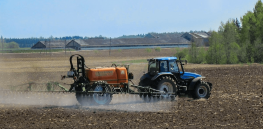
How the sausage gets made: A look inside the arduous and expensive process of pesticide regulatory approval
To get a new active ingredient product approved, there are a significant number of studies a company must complete first ...

Grains, coffee and citrus are among foods threatened by rising temperatures. Some species may go completely extinct without new solutions
There are some ways in which we can definitely expect climate change to alter what we eat. Here are some ...
Viewpoint: ‘Every approved biotech crop has benefited the environment’ — Why streamlining regulations are key to sustainability and food security goals
Today, there is much discussion about how agriculture contributes to climate change. Most agree that we should continue improving food ...

Viewpoint: Buzz words like ‘eco-friendly’, ‘net-zero’ and ‘regenerative agriculture’ represent a new wave of greenwashing
Dairy company Arla has been banned from using the claim ‘net-zero climate footprint’ when marketing some of its products ...
Is chocolate good for you? Claims that dark chocolate can lower heart disease risk need second look, FDA says
U.S. Food and Drug Administration has weighed in on whether chocolate is good for the heart. The answer, it turns ...
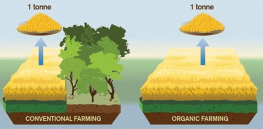
Viewpoint: ‘We need more agricultural land than is available’ — Here’s why organic agriculture cannot address biodiversity and sustainability
For Germany and the EU, boosting organic farming is a political priority and both have set targets for 2030: The ...
