Metabolic engineering: Genetically-modified tomatoes that reduce inflammation developed in Japan

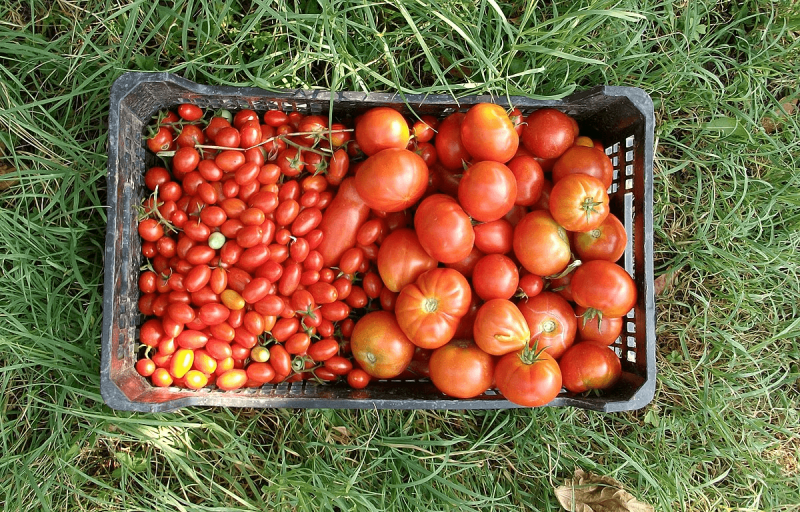
Credit: CosyCobra via CC-BY-SA-4.0

Scientists from the Tokyo University of Science and the Iwate Biotechnology Research Center have engineered potato and tomato plants to express the plant pigment betalain.

The pigment is found only in a few produce items and higher fungi, and researchers genetically engineered tomato and potato varieties to express the pigment, according to a news release.

The researchers found that while betalain-tomatoes conferred anti-inflammatory effects against macrophages and murine colitis, betalain-potatoes showed no such effects, the release said.

The research paper, called “Metabolic engineering of betacyanin in vegetables for anti-inflammatory therapy,” was published in Biotechnology and Bioengineering.

Follow the latest news and policy debates on sustainable agriculture, biomedicine, and other ‘disruptive’ innovations. Subscribe to our newsletter.

Betalains are a class of plant pigments that are responsible for the characteristic red-violet (betacyanin) or yellow (betaxanthin) color of certain fruits and vegetables, the release said.

These naturally occurring, water-soluble and nitrogen-containing pigments are commonly used as food coloring agents. Recently, research findings have brought to the forefront the strong antioxidant potential of betalains, making them potential candidates to produce health foods and combat various diseases, according to the release.


This is an excerpt. Read the original post here

{{ reviewsTotal }}{{ options.labels.singularReviewCountLabel }}
{{ reviewsTotal }}{{ options.labels.pluralReviewCountLabel }}
{{ options.labels.noReviewsLabel }}
{{ options.labels.newReviewButton }}
{{ userData.canReview.message }}

Related Articles

Infographic: Global regulatory and health research agencies on whether glyphosate causes cancer

Infographic: Global regulatory and health research agencies on whether glyphosate causes cancer

Does glyphosate—the world's most heavily-used herbicide—pose serious harm to humans? Is it carcinogenic? Those issues are of both legal and ...

Most Popular

ChatGPT-Image-Mar-10-2026-01_39_01-PM
Viewpoint—“Miracle molecule” debunked: Why acemannan supplements don’t work
Screenshot 2026-07-11 094410
Growing animal muscle and fat cells inside rice grains and calling it beef: One of numerous genetically engineered products shaking up our ecosystem
Screenshot 2025-09-17 at 12.41
Misinformation alert: No, glyphosate use in Canadian forests is not spurring more wildfires
file-f-d-d-
Facts & Fallacies Podcast: Europe's AC debacle underscores fatal flaw in green activism
ChatGPT-Image-Jun-25-2026-12_23_17-PM
No, Bill Gates did not secretly engineer ticks to promote veganism
Screenshot-2026-07-16-at-11.32.12-AM
Viewpoint: Trump appoints climate change hoax promoter to head influential government policy project
Screenshot 2026-07-16 at 8.49
Pete Hegseth’s bizarre Viagra commercial as Trump administration endorses ‘hormone replacement therapy’
ChatGPT-Image-Jul-9-2026-02_39_22-PM
Viewpoint: Polyphenols or NAD+ supplements to combat aging: No, Gwenyth Paltrow and followers, don’t waste your money.
Screenshot-2026-07-16-at-6.02.54-PM
Wellness grifters overwhelm information channels in the developing world, and the problem is escalating

Sorry. No data so far.

glp menu logo outlined

Get news on human & agricultural genetics and biotechnology delivered to your inbox.