


Daily Human Digest
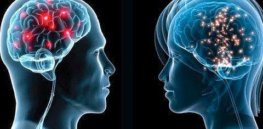
Time to stop treating men and women the same when it comes to drug treatments
Studies have shown that males and females metabolize drugs differently, suggesting we should be spending more time studying those differences ...
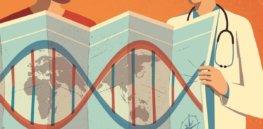
Viewpoint: Why a broad public understanding of genetics is critical
Most of us don’t yet realize that we have to understand genetics and DNA better. When I first started writing my ...

Itchy skin? Eczema likely has a genetic component
The itchy, red and cracked skin typical of atopic dermatitis, otherwise known as eczema, is an inflammatory condition which affects up to ...

Growing cancer drugs in chicken eggs could lower costs by 90%
Researchers in Japan may have found a way to produce cheaper drugs that could be used to treat a range ...

Genetics account for 83% of autism risk, re-do study finds
A reanalysis of data from more than 2 million children in Sweden suggests inherited genetic factors account for 83 percent ...

Genetically modified skin grafts could monitor glucose, end needle sticks for diabetes
Painful and inconvenient, needle sticks are part of daily life for many people with diabetes. Wouldn’t it be great if ...
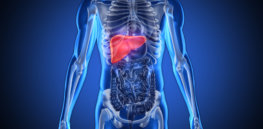
If you lose any of these 7 organs, you’ll probably be OK
The human body has dozens of organs, with some clearly more critical than others. But there are several you can ...

First alien life forms we encounter could well be robots
[T]he first aliens we encounter are likely to be machines, and they’ll be almost unimaginably old. Susan Schneider of the ...

Preserved fatty tissues found in 48-million-year-old bird fossil
[R]esearchers have confirmed that fatty tissues were still identifiable in the partial fossil of a 48-million-year-old bird. The new research hints ...

Could MRI brain scans prove you’re innocent?
Lie detection using a functional MRI machine, which measures and creates an image of brain activity, is a topic of ...
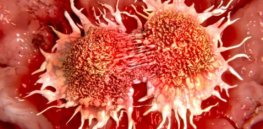
Should cancer be treated based on what part of the body it attacks—or its genetic make-up?
[D]octors have organized their notions of cancer according to that fundamental principle of real estate: location, location, location. Oncologists often ...

Why we shouldn’t be afraid of human gene editing
[Editor's note: Dave Gammon is an associate professor of biology at Elon University.] Many feel a visceral dread that scientists ...

Modeling human tumors in mice can be problematic—here’s why
[A] new study [read full study] suggests that an unfortunate side effect of ... evolutionary changes is that human tumors are ...

Pro fighters monitored to shed light on early signs of trauma-induced brain damage
Researchers have enrolled close to 700 mixed martial arts fighters and boxers, both active and retired, in the past six years ...

Viewpoint: ‘Clean eating’ is pseudoscience
[Editor's note: Dr. Steven Novella is an academic clinical neurologist at Yale University School of Medicine.] Eating “clean” is the ...

When does life begin? Here are 17 points in time to consider
The US Department of Health and Human Services has taken the official position that life begins at conception. Here's a ...
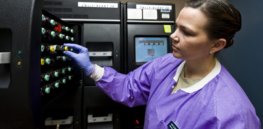
Could artificial intelligence, machine learning help detect sepsis early?
Driven by the nation’s aging population, the rise of drug-resistant bacteria, and the growth of medical interventions, sepsis has become ...

Viewpoint: How genetics challenges the ‘folk notion’ of distinct races
Speaking from the BBC studio in London where he hosts the weekly radio program Inside Science, [geneticist Adam] Rutherford explains how ...

Does ‘mindfulness’ make you healthier? Scientific data ‘woefully lacking’
The concept of mindfulness involves focusing on your present situation and state of mind. This can mean awareness of your ...

Gene therapy that reboots body’s immune cells to fight non-Hodgkin’s lymphoma approved by FDA
The Food and Drug Administration on [October 19] approved the second in a radically new class of treatments that genetically reboot ...

Born to exercise? ‘Fitness’ genes may help lower breast cancer risk
A growing number of studies show that exercise offers protection against breast cancer. Research on mice suggests that some of ...

Viewpoint: Overly strict human gene-editing regulations let patients suffer and die
[Editor’s note: Henry Miller is a physician and molecular biologist, and a Fellow in Scientific Philosophy and Public Policy at Stanford University’s Hoover Institution. He ...

Why the quest for artificial intelligence almost died in infancy
It feels as if we’re riding the wave of a novel technological era, but the current rise in neural networks ...

Synthetic incompatibility: Preventing GMO mosquitos from spreading their genes
A major obstacle to applying genetic engineering to benefit humans and the environment is the risk that organisms whose genes ...

Polygamy and genetics: Short Creek, Utah’s inbreeding mutation epidemic
[In 1990], 10-year-old boy was presented to Theodore Tarby, a doctor specialising in rare childhood diseases. ... [S]oon Tarby had diagnosed a ...

What’s so important about sleep?
It’s common to try to cram more waking hours into each day. About half of people worldwide get less than ...

De-extinction debate: Why we should bring back the woolly mammoth
De-extinction is just what it sounds like: taking a species that has gone extinct, and through cloning or genetic engineering, ...
