


Science Literacy Project Daily Digest

Will evolution phase out redheads from the human gene pool?
Redheads aren’t going extinct. Here’s why. Be it ginger, auburn or strawberry blonde, red hair is here to stay, say ...

Addressing climate change’s impact on food and farming: Could CRISPR gene editing become part of the European Green Deal?
Following the adoption of the EU Green Deal, the European Commission has presented a new proposal for plant modification on ...

Challenging the belief that ‘eating soy-based foods can increase the risk of breast cancer’ and 9 other nutrition myths
Some false ideas about nutrition seem to linger in American culture like a terrible song stuck in your head. So ...

Viewpoint: ‘We’re pushing our food systems past their breaking point’ – Why acre for acre, algae is a model sustainable food
Researchers at the University of California, San Diego (UCSD), believe algae could be a new kind of superfood thanks to its high ...

Cuba poised for production of wheat modified by radiation mutagenesis that adapts to extreme heat and climate fluctuations
The history of Cuban science is full of the challenges faced by daring, diligent and, above all, persistent researchers. An ...

CRISPR gene editing scientist who illegally manipulated embryos wants to cure genetic diseases. Should the scientific community trust him?
He Jiankui discusses his plans for finding cures for devastating genetic diseases. Should the scientific community trust him? ...

Are humans still evolving? 155 new genes identified that suggest we’re still being shaped by our environment
We may have parted ways with our primate cousins millions of years ago, but a new study shows just how ...

‘We’ve found 1-in-a-million type of cancers’: A common prenatal blood test accidentally identifies rare tumors
An expectant mother's bloodstream doesn't just contain bits of free-floating DNA associated with the fetus. It's also chock full of ...

Anti-vaccine beliefs stoke growing cases of measles and chickenpox in the US
Growing vaccine hesitancy fuels measles, chickenpox resurgence in U.S. Anti-vaccine sentiment has increased since the pandemic, driven by politicization around ...

German Green ministers split on relaxing rules on gene editing crops to meet sustainability challenges
With the Greens leading both the German agriculture and environment ministries, many expect the country to stand against the Commission’s ...

Viewpoint: Challenging fearmongering — Environmental Working Group’s annual ‘Dirty Dozen’ uses chemophobia to scare people about safe produce
EWG claims that it is not out to scare the public, that it only strives to alert consumers as to ...

Meat made from milk? Dairy-based alternative ‘meats’ may soon be on the menu
Here comes the new field of “dairy-based meat.” Meats made from all natural milk. One of the most nutritious materials ...

Floating Dutch dairy farm produces 200 gallons of milk a day — Here’s how this quirky project offers an answer to rising sea levels and the ‘global land squeeze’
Samuel L Jackson can have his snakes on a plane. Peter and Minke van Wingerden have concocted something even wilder: ...

Do you drink alcohol or smoke tobacco? Your genes may play a role
Study reveals that some people could be genetically predisposed to consuming alcohol and tobacco Research shows that, while cultural influence ...
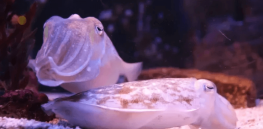
Squid and human brains: Despite 500 million years of divergent evolution, their complex brain development remains similar
Squid and human brains develop the same way despite diverging 500 million years ago ...

Fading memory from early dementia? Deep brain stimulation might help
Researchers are studying whether deep brain stimulation could help people with Alzheimer's hold on to their memory longer, and now ...

Science or ideology: What’s behind the ongoing debate over masks to limit the spread of viruses?
What the never-ending mask debate is really about — Hint: It's not the science ...

Europe’s sugar beet crop faces potentially devastating consequences in wake of EU court ruling blocking countries’ ability to grant neonicotinoid pesticide use exemptions
A European Union court ruling reinforcing a ban on neonicotinoids — a type of pesticide considered harmful to bees — ...
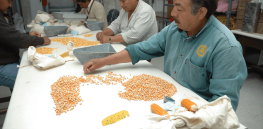
Viewpoint: Optimizing seeds — Hybrid and CRISPR gene editing technology key to addressing climate-induced food insecurity
In recent years, public investment into developing hardier crops that can withstand higher temperatures, water stress, and pests has flatlined. In countries ...
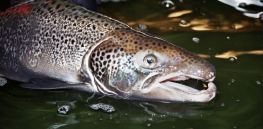
Next-gen food: Pigs, fish and other CRISPR gene edited animals will be be bigger and healthier
Of course, farmers have used selective breeding to try to make animals big, muscular, docile, and easy to rear for ...

China scales up commitment to genetically modified agriculture and food, approving 8 new crops
Chinese officials have given their blessing to a handful of strains of alfalfa, canola and other crops, offering a sense ...

Meet the women who described, named, and brought long COVID into the light
Years into the pandemic, scientists are still trying to understand long COVID ...

CRISPR gene editing is in clinical trials to treat sickle cell disease, cancer, HIV/AIDS and some rare inherited diseases. Here’s what we can expect going forward
When Jennifer Doudna and Emmanuelle Charpentier revealed that the bacterial Crispr–Cas9 antiviral defence system could be reprogrammed to edit genomic ...

Are you good at perceiving other people’s perspectives? Women score higher than men on ‘cognitive empathy’ test
Females score higher than males on the widely used 'Reading the Mind in the Eyes' Test, study shows ...

Last year, we saw the first successful pig-human organ transplant. When will replacing diseased human organs with animal substitutes become a larger reality?
This year, surgeons transplanted the first pig organs into human recipients. Researchers are keen to launch more human trials ...

Cellular agriculture: WIll synthetically-developed coffee, cultured meat and bioreactor-based dairy soften impacts of climate change, as supporters claim?
Cellular agriculture is committed to producing agricultural foods using a combination of synthetic biology, biotechnology, molecular biology and tissue engineering ...
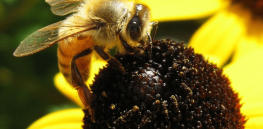
‘No conservation concern with honey bees’: Xerces Society debunks claims that honey bees threatened but raises extinction concerns about some wild species
Around 2006, beekeepers started reporting huge losses of honey bee colonies. “That rang alarm bells,” said James Cane, a bee ...
