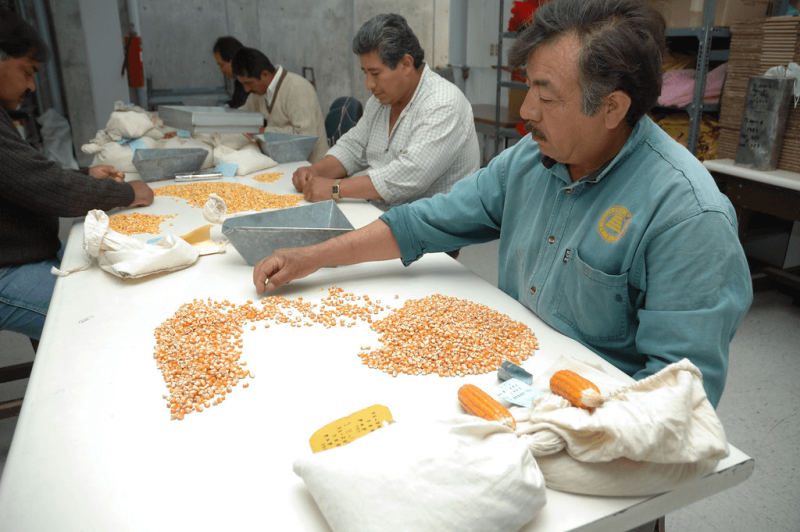

In recent years, public investment into developing hardier crops that can withstand higher temperatures, water stress, and pests has flatlined. In countries faced with serious food security issues such as Haiti or South Sudan, only around 10% of farmers have access to the latest generation of planting material. This means 90% of farmers are very likely exposed to the threat of climate change even before the first shoots emerge.
And yet advances in science, technology, and innovation mean crop breeders are better placed today to model climate projections and fine-tune varieties of cereals, roots, and vegetables that can keep pace with rapidly changing growing conditions.
Similarly, genome editing through CRISPR allows scientists to increase the nutritional quality of crops, reducing the pressure on food production by providing greater health and nutrition per unit of food. The ability to dial up the nutritional value of crops through improved seeds will form a vital part of our defense against climate change, which could reduce levels of protein, iron, and zinc in cereals by up to 10%.
…


With improved seeds, countries also then need streamlined, consistent, and functional seed systems across borders to ensure climate-proofed seeds reach the farmers who need them.