


Anthropocene

Planting trees to slow climate change—there’s a method to it
Any tree will suck carbon dioxide from the atmosphere and turn it into plant tissue. But it adding a little ...
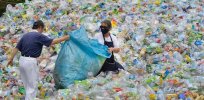
It’s axiomatic among environmentalists that plastic packaging is a sustainability disaster. Hard science and life-cycle analysis say that’s not true
Plastic packaging can have substantially smaller environmental impacts—including 70% lower greenhouse gas emissions—compared to other packaging materials, according to a ...
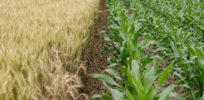
Sustainability impact of GM crops? Nuanced study suggests mostly positive environmental effects
When the researchers delved into the body of literature, it revealed an interesting push and pull between the benefits and ...

Counterintuitive agricultural science: Organic farming can lead to increased use of pesticides in neighboring conventional fields
New research adds to the increasingly nuanced picture of organic farming and how well it can meet both our food and ecological ...
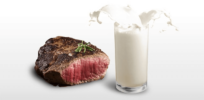
Viewpoint: Ready to abandon milk and meat to improve health and save the environment? Not so fast.
Substituting meat and dairy with more plant-based foods in our diets can achieve benefits for human and environmental health: this is ...

Supermarkets vs farmer’s markets: Which is more climate friendly?
Urban farmers markets epitomize an environmentally-conscious lifestyle—home-grown vegetables, paper bags, the occasional beetle in your organic raspberries. Surely nothing could be ...

Feather-based fuel? How millions of tons of poultry waste, an agricultural byproduct, could be transformed into clean, green hydrogen fuel cells
Look at a chicken feather, and what you’re seeing is 91% keratin. Now a team of scientists have found a way to ...
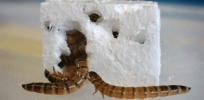
Natural solution for litter? Maybe worms can solve our Styrofoam problem
Don’t toss out that Styrofoam takeout container quite yet: what’s trash for you could be food for plastic-gobbling “superworms”. Researchers ...
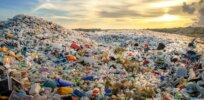
Solving pollution problem? AI-designed enzyme devours plastic at industrial scale
Of the almost 400 million metric tons of plastic that the world produces every year, most ends up in landfills ...

Each half portion of beef you swap out could add 48 minutes to your life — and cut your meal’s carbon footprint by one third
Substituting just half a portion of beef with a handful of nuts, vegetables, fruits, and seafood could buy you 48 ...

Feeding microbes expired bread during fermentation could yield cheaper, more sustainable food
Wine, cheese, yoghurt and bread: all these culinary delights owe their existence to the work of microorganisms like bacteria, yeast, ...

Eat less meat to cut CO2 emissions? That may not make your diet climate friendly, study shows
In global diets, meat is not necessarily the main driver of dietary carbon emissions, finds a new study published in ...

Horizontal gene transfer: The tricky part of evolution never imagined by Charles Darwin
Biologists have long recognized that the boundaries of one species may blur into another—by the process of hybridism, for instance ...
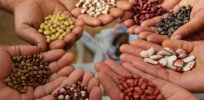
Crop diversity worldwide is growing, but wheat, maize (corn), soy, and rice cover almost 50% of farmland worldwide
Global agriculture is increasingly dominated by just a handful of crops with limited genetic richness, says a group of researchers ...