


Chuck Dinerstein

Will we need to get annual COVID booster shots for the rest of our lives?
Some vaccines are one-and-done, like measles. Others are annual events, like the seasonal flu. There's new data as to where ...
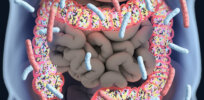
The gut microbiome charges a ‘processing fee’ — and this impacts how the body modulates weight
Whether the source is carbohydrates, protein, or fat, a calorie is a calorie. New dietary math based on the microbiome ...

Israel’s early COVID vaccine rollout went 1100% better than in the United States. What did they do differently?
[As of January 8, we had only] vaccinated 1.38% of our population [in the United States, while Israel had] vaccinated ...

Does the public have an appetite for lab-cultivated meat?
Laboratory grown muscle cells from various animals are quickly becoming a commercial reality; they are already real food, at least ...

Viewpoint: If the EU is serious about its Farm to Fork goals, it must address massive ‘yield gap’ between conventional and organic farming. Ag biotechnology is the solution
The EU’s Green Deal has a “Farm to Fork” strategy designed to meet the global sustainable development goals and increase ...

Which offers more protection: Vaccination or natural immunity?
According to Sen. Rand Paul – an ophthalmologist, not an infectious disease specialist – natural immunity is better. While not ...

When it comes to medicine, how we define slippery concepts like race, gender and age matters
The foundation of medical research, which is considered the gold standard, is the Randomized Controlled Trial when individuals are matched ...

Human bias against new ideas amplifies safety concerns about GMOs, study confirms
Recency bias states that more recent memories come to mind more quickly. But specific ideas and objects that have “stood ...

A question of free will: How much of our behavior is determined by our genes?
Are our fates determined by the stars or by our actions? An age-old debate made no less contentious by reducing ...

GMO Impossible burger headed for grocery stores. Here’s the nutrition facts you should know
Having jumped all the appropriate FDA hurdles to ensure safety, the Impossible Burger in its uncooked form is coming to ...

Common treatment for prostate cancer may increase risk of Alzheimer’s, dementia
In this case, “do no harm” is more complicated than we had anticipated ...
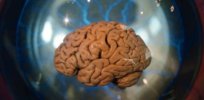
Why the absence of hope may be hurting Huntington’s disease research
Huntington's disease is not just incurable, it's untreatable. Therefore, many patients don't want to know their genetic status, and don't ...

Do genetics determine what we like to eat? Study finds no ‘smoking gun taste gene’
A recent genome-wide association study found 17 genetic sites related to bitter beverage consumption ...

Change, resilience and the mysterious human microbiome
Our microbiome is an inner ecology of Planet Us. And thought of in that context, two new small, exploratory studies, may ...

Eating organic food prevents cancer? New study offers more confusion than clarity
The JAMA [Journal of the American Medical Association] Internal Medicine journal has a report .... on the relationship between organic food ...

‘Foot soldiers’ of disease: Plasma proteins could be key to understanding genetic risks
[Blood plasma] is the home of the “secretome,” a host of proteins that serve as inter-cell communicators. These proteins are ...

What can we learn from studying GWAS—Genes of large swaths of people?
In the quest to separate nature from nurture, scientists seeking to understand the contribution of genetics have more tools. A ...

Defining gender and questioning the need for a ‘level playing field’ in elite athletics
The context surrounding the study of the impact of testosterone on elite athletes is essential in understanding its underlying hypothesis ...

In lower risk groups, lifestyle, rather than genetics, plays the largest role in diabetes and heart disease, study shows
The data-miners have found a new vein of data, the UK Biobank, which contains genetic information on about 500,000 of ...

Are biosimilar drugs reliable replacements for their pricier counterparts?
Biologics are complex molecules, modifying our immune responses to specific chronic inflammatory conditions like rheumatoid arthritis, psoriatic arthritis, or irritable ...
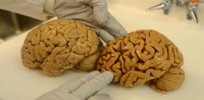
Bringing a common language to Alzheimer’s research
The research into the underlying causes and treatment [of Alzheimer's] have been intensifying but have been a bit undisciplined; it ...

Why the FDA and USDA can’t agree on the definition of a GMO
The regulatory concerns about genetic modification of animals that I wrote about a while ago have moved towards a Congressional spotlight. Pigs ...

Viewpoint: Gene editing in agriculture shouldn’t be regulated, whether applied to crops or animals
CRISPR has changed the way alterations are made; so in the past year the FDA clarified their position, any intentional ...

Viewpoint: Anti-biotech activists don’t understand the difference between GMOs and CRISPR crops
CRISPR-Cas9 may genetically modify a crop, but it doesn’t necessarily result in a genetically modified organism, the dreaded GMO. To ...

Viewpoint: No, the placebo effect is not increasing, but bedside manners do impact perceived drug efficacy
[A] new article, published in Psychology Today, purports that the “Placebo Effect is Growing.” In the author’s words, “Over the ...

Viewpoint: Newsweek’s surprisingly unscientific view of the genetics of obesity
[Editor's note: Dr. Charles Dinerstein is a retired vascular surgeon.] In a nod to science, Newsweek reported that there might be genetic underpinnings ...

Viewpoint: Politico exaggerated link between climate change and food ‘nutrient collapse’
Politico offered the following headline, The great nutrient collapse, The atmosphere is literally changing the food we eat, for the ...

Smaller breast cancer lumps don’t always mean less aggressive cancer
[Editor's note: Dr. Charles Dinerstein, M.D. is Senior Medical Fellow at the American Council on Science and Health.] The diagnosis ...
