Genome of ancient Denisovans may help clarify human evolution

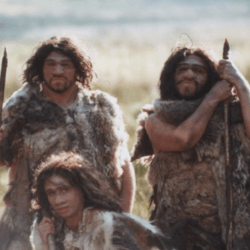
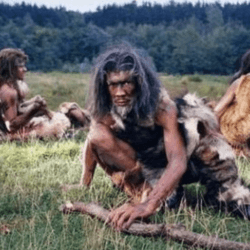
Our ancestors didn’t walk alone: Neanderthals and other ancient peoples shared Earth with them tens of thousands of years ago.

Now, using new technology, scientists have sequenced with high precision the genome of one of those close but little-known relatives: an extinct people known as the Denisovans, who lived in and around modern-day Siberia.

The Denisovan genome, reported online Thursday in the journal Science, was derived from tiny quantities of shredded DNA extracted from a finger bone found in a Russian cave in 2008, as well as a tooth found later.
What is striking, scientists said, is that it is every bit as detailed as a sequence generated with a fresh blood or saliva sample from someone alive today.

View the original article here: Genome of ancient Denisovans may help clarify human evolution

{{ reviewsTotal }}{{ options.labels.singularReviewCountLabel }}
{{ reviewsTotal }}{{ options.labels.pluralReviewCountLabel }}
{{ options.labels.newReviewButton }}
{{ userData.canReview.message }}

Related Articles

Infographic: Global regulatory and health research agencies on whether glyphosate causes cancer

Infographic: Global regulatory and health research agencies on whether glyphosate causes cancer

Does glyphosate—the world's most heavily-used herbicide—pose serious harm to humans? Is it carcinogenic? Those issues are of both legal and ...

Most Popular

d-b
Blocked arteries, kidney stones, nausea, constipation, fatigue: Long list of health problems caused by too much vitamin D 
Screenshot-PM-24
Viewpoint: The herbicide glyphosate isn’t perfect. Banning it would be far worse.
ChatGPT-Image-Apr-30-2026-12_21_05-PM-2
The tech billionaires behind the immortality movement
ChatGPT-Image-Apr-30-2026-05_00_48-PM
Wellness grifter physician turned wellness influencer out as surgeon general nominee
ChatGPT-Image-Mar-27-2026-11_27_05-AM
The myths of “process”: What science says about the “dangers’ of synthetic products and ultra-processed foods

Sorry. No data so far.

glp menu logo outlined

Get news on human & agricultural genetics and biotechnology delivered to your inbox.