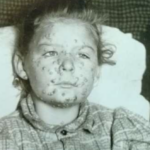
Gene therapies target rare diseases

The Western world’s first drug to fix faulty genes promises to transform the lives of patients with an ultra-rare disease that clogs their blood with fat. The only snag is the price.

The gene therapy for lipoprotein lipase deficiency (LPLD), a hereditary disorder that raises the risk of potentially lethal inflammation of the pancreas, is likely to cost more than $1 million per patient when it goes on sale in Europe this summer.

Rare or so-called orphan diseases are winning unprecedented attention from drug developers. More than a quarter of the 39 new medicines approved in the United States last year were designated for such conditions.

These are therefore exciting times for campaigners such as Briton Jill Prawer, who leads an LPLD support group, and others championing the needs of people with equally obscure illnesses. Naturally, she is delighted by the arrival of the LPLD drug Glybera. “It’s brilliant,” said Prawer, a 50-year-old mother of three who has suffered all her life from LPLD.


Until now, governments and insurance companies have largely accepted prices that can run into hundreds of thousands of dollars for products that treat orphan diseases. As only a handful of patients need the treatment, the overall cost to health budgets is relatively small. However, healthcare providers are increasingly having to balance the acute needs of the few against the wider interests of society, within constrained budgets. Scrutiny of the sky-high prices charged for this wave of new drugs is growing.

“More companies are getting into this sector because they’ve seen the eye-wateringly high prices that can be charged for some of these very rare disease medicines,” said Karl Claxton, professor of health economics at the University of York. “It’s unsustainable. Healthcare systems around the world are under increasing financial pressure and all of them are starting to look very carefully at what they get for their money.”

View the original article here: Rare diseases market booming as more drugs reach market, gene therapy poses new drug pricing challenge


Related Articles

Infographic: Global regulatory and health research agencies on whether glyphosate causes cancer

Infographic: Global regulatory and health research agencies on whether glyphosate causes cancer

Does glyphosate—the world's most heavily-used herbicide—pose serious harm to humans? Is it carcinogenic? Those issues are of both legal and ...

Most Popular

ChatGPT-Image-Mar-10-2026-01_39_01-PM
Viewpoint—“Miracle molecule” debunked: Why acemannan supplements don’t work
Strawberry Clamshell with Warning Sticker
Viewpoint: Activists hype ‘dangerous level’ of pesticide residues in Driscoll berries: Separating health concerns from fear-mongering
Diet Soda with Measuring Tape 2
Science challenges anti-soda activists: No, sodas won’t make you fat
Author-Presenting-Good-Energy
'Disillusioned': Controversial RFK Jr. ally and MAHA leader Calley Means quits Trump advisory role
Silhouettes Beneath the Mosquito Nets
Guinea-Bissau halts widely condemned RFK Jr.-backed vaccine trial that would have withheld life-saving vaccines from thousands of newborns
Rustic Skillet of Raw Brains
‘Weird food’? Testicle- and brain-eating, supplement-gulping MAHA health food enthusiasts defend their ‘natural’ diets
Generations United for Immunization
Police raid Guinea-Bissau offices of RFK Jr.-backed vaccine researchers, seize hepatitis B doses
Vibrant Social Media Confetti Explosion
Health misinformation minefield: Countering online deluge by copying its style
Justice Under Prideful Skies
Supreme Court blocks Trump’s order halting transgender surgeries and hormone treatments for inmates
Screenshot-2026-10-21-at-10.38.39-AM
Viewpoint: The libertarian case for getting the government out of the business of regulating food choices
Screenshot-2026-10-19-at-12.04.51-PM
Victims of their own success: As memories of killer diseases fade, vaccine rejectionism soars
Screenshot 2026-10-16 at 5.38
PFAS in Agriculture: Science, Uncertainty, and Risk Communication
png_cheese_Raw_milk
100% raw milk, 100% misguided: As MAHA-fueled demand for unpasteurized milk soars, American Academy of Pediatrics renews call for a ban on its sale and distribution
glp menu logo outlined

Get news on human & agricultural genetics and biotechnology delivered to your inbox.