Center for Genetics and Society calls for rejection of life-saving therapy

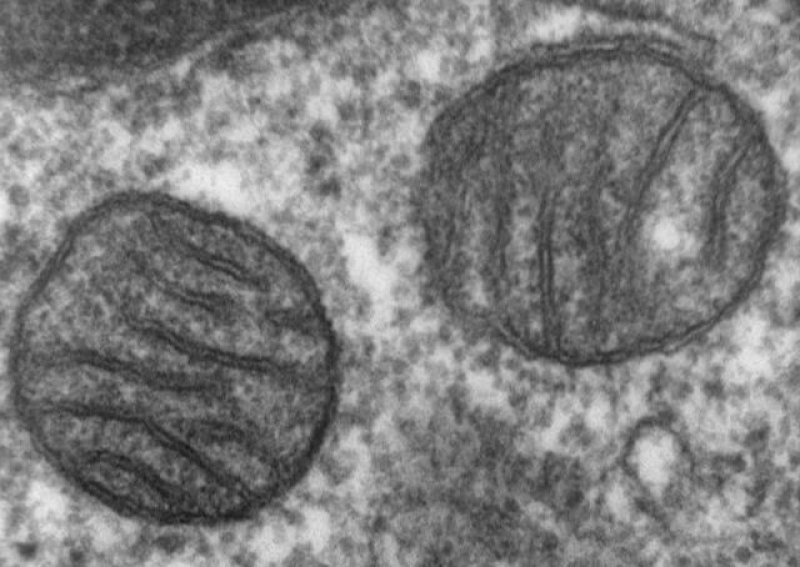
Mitochondria mammalian lung TEM
Credit: Wikimedia Commons

On March 20, the U.K.’s Human Fertilization and Embryology Authority announced its endorsement of mitochondrial replacement therapy. The therapy, which could save the lives of millions of children with inherited genetic disorders, would swap out a developing embryo’s unhealthy mitochondria with healthy ones from a donor. Since mitochondria contain their own DNA, the technique results in embryos with three parents: the mother, the father, and the woman who donated her healthy mitochondria.

The Center for Genetics and Society, however, insists that the therapy crosses a “bright red ethical line” by modifying the genes that get passed down to the next generation. In a press release, the group urges the U.K. to reject mitochondrial replacement.

“We sympathize with the women who would like to be genetically related to their child while avoiding the risk of passing on mitochondrial disease,” Darnovsky said. “But there are safe options available, while mitochondria replacement would put their child at serious jeopardy of problems introduced by the procedures themselves. And the genetic changes the procedures would cause are permanent and irreversible, both for that child and for every generation that follows. The desires of these few women do not justify this serious ethical breach, which has profound consequences for everyone.”

Additional Reading:

  • Don’t fear babies made with genes from three parents, New Scientist.
  • Three parents? Five parents? All that really matters is healthy babies, The Telegraph.
  • Broad Public Support for “3-Parent Babies” and Crossing the Human Germline? Not What the Data Say, Biopolitical Times.

{{ reviewsTotal }}{{ options.labels.singularReviewCountLabel }}
{{ reviewsTotal }}{{ options.labels.pluralReviewCountLabel }}
{{ options.labels.newReviewButton }}
{{ userData.canReview.message }}

Related Articles

Infographic: Global regulatory and health research agencies on whether glyphosate causes cancer

Infographic: Global regulatory and health research agencies on whether glyphosate causes cancer

Does glyphosate—the world's most heavily-used herbicide—pose serious harm to humans? Is it carcinogenic? Those issues are of both legal and ...

Most Popular

Screenshot-2026-04-22-at-12.21.32-PM
Viewpoint: Why the retracted Monsanto glyphosate study doesn’t change the science—the world’s most popular herbicide is safe 
Picture1
The FDA couldn’t find a vaccine safety crisis, so it buried its own research
ChatGPT-Image-May-1-2026-11_42_59-AM-2
Viewpoint: NAD is the wellness grifters latest evidence-lite longevity fad. At least the mice are impressed.
ChatGPT-Image-Apr-16-2026-02_56_53-PM
Financial incentives, over diagnosis, and weak oversight: Autism claims are driving up Medicare costs
ChatGPT-Image-May-12-2026-11_27_01-AM-2
AI likely to improve health care, research shows—but not for blacks and ethnic minorities
ChatGPT-Image-May-7-2026-01_23_27-PM-2
Viewpoint: Will AI democratize personalized cancer treatment or fuel medical misinformation?
vax-misinformation-main
Facts & Fallacies Podcast: Limit free speech to blunt social media misinfo?

Sorry. No data so far.

glp menu logo outlined

Get news on human & agricultural genetics and biotechnology delivered to your inbox.