January 2013, amid a chorus of controversy, Mark Lynas—high profile environmental writer, activist, and researcher—publicly renounced and apologized for his anti-GMO (genetically modified organism) position, at the Oxford Farming Conference. Lynas cites increased familiarity with scientific discourse as the key driver for changing his mind on the topic of GMOs. Lynas discussed the basic science and politics underpinning GMO application in our telephone interview.
Martlet: What changes in genetically modified organisms (GMOs) at a cellular level?
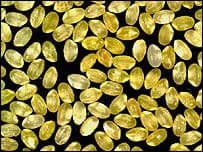
Mark Lynas: Well, it’s actually more complicated than people think, because defining exactly what constitutes a GMO anymore is no longer a simple task. Classically, it means the introduction of foreign DNA through the use of recombinant DNA. Typically a bacterium called agrobacterium [bacteria with the ability to transfer genes between itself and plants] is used to splice foreign DNA into the genome [organism’s hereditary information] of a target crop. To give one example, the Bt trait is used worldwide now, in corn and cotton and other things, for insect-resistance. That comes from a soil bacterium called Bacillus thuringiensis [bacterium commonly used as a biological pesticide]. The genes, which are spliced into the target crops, allow the plants to express a particular protein, which is toxic to certain insect pests. This then enables farmers not to have to spray insecticides in such quantities. That’s one example, but of course there are many others. If you use conventional breeding, you have obviously a very limited source of germplasm [basic genetic information found in a seed]. So, depending on the traits you’re looking for, you may not be able to breed them in conventionally, particularly things like disease resistance. Maybe to give a better example, golden rice: there are no genes in any known rice varieties which could enable the rice to express beta-carotene [an organic compound that the body converts to vitamin A] in the seed. It has to be introduced from elsewhere, from a different plant.



Read the full original article: Mark Lynas on GMOs, science denialism, evidence-based policy, and saving the planet