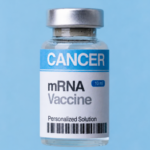
Personalized vaccines treat kidney cancer

A highly personalized medical technique is allowing patients with advanced kidney cancer to live nearly three times as long as they normally do. In an experiment involving 21 patients, around half lived more than two and half years after diagnosis with kidney cancer that had begun to spread. Five patients are alive after more than five years.

“That seems to be out of proportion with what you would expect for any commercial therapy and longer than what you would expect from patients with similar prognostic variables,” says Robert Figlin, an oncologist at Cedars-Sinai Samuel Oschin Comprehensive Cancer Institute in Los Angeles, who is leading the study.

The findings are part of a large wave of positive results coming from a class of oncology treatments called cancer immunotherapies. Many drug companies, large and small, are working on treatments that instigate the immune system to attack cancer (see “The Revival of Cancer Immunotherapy”). There are a variety of methods for revving up immune cells. In some cases, like the experimental kidney cancer treatment, doctors train a patient’s own white blood cells to spot a cancer cell among its harmless neighbors.

Read the full, original story: Biotech Makes Personalized Cancer Vaccines Using Tumor Samples

{{ reviewsTotal }}{{ options.labels.singularReviewCountLabel }}
{{ reviewsTotal }}{{ options.labels.pluralReviewCountLabel }}
{{ options.labels.newReviewButton }}
{{ userData.canReview.message }}

Related Articles

Infographic: Global regulatory and health research agencies on whether glyphosate causes cancer

Infographic: Global regulatory and health research agencies on whether glyphosate causes cancer

Does glyphosate—the world's most heavily-used herbicide—pose serious harm to humans? Is it carcinogenic? Those issues are of both legal and ...

Most Popular

vax-misinformation-main
Facts & Fallacies Podcast: Limit free speech to blunt social media misinfo?
Picture1
The FDA couldn’t find a vaccine safety crisis, so it buried its own research
ChatGPT-Image-May-7-2026-01_23_27-PM-2
Viewpoint: Will AI democratize personalized cancer treatment or fuel medical misinformation?
ChatGPT-Image-Apr-16-2026-02_56_53-PM
Financial incentives, over diagnosis, and weak oversight: Autism claims are driving up Medicare costs
ChatGPT-Image-May-12-2026-11_27_01-AM-2
AI likely to improve health care, research shows—but not for blacks and ethnic minorities
modi visit sikkim
Viewpoint: Indian PM wants farmers to switch to 50% organic. It would take at least 10 years, likely won’t work, and isn’t more sustainable
Screenshot-2026-04-22-at-12.21.32-PM
Viewpoint: Why the retracted Monsanto glyphosate study doesn’t change the science—the world’s most popular herbicide is safe 
newborn infant baby mother
Sharp rise in number of parents refusing newborn vitamin K shots, putting babies at 81-fold higher risk of severe bleeding
ChatGPT-Image-May-20-2026-04_53_21-PM-2
Viewpoint: Doctors can fight health misinformation — if hospitals let them
ChatGPT-Image-May-7-2026-12_32_36-PM
Viewpoint: The state of U.S. vaccine policy? Dismal nationally, but some states are stepping up.
Screenshot-2026-04-13-at-1.39.26-PM
Viewpoint: ‘Safer for children?’ Stonyfield yogurt under fire for deceptive organic marketing
Screenshot-2026-05-18-at-3.04.37-PM-2
Social media’s health advice red flags
Screenshot-2026-05-19-at-11.23.34-AM
West-originated vaccine disinformation sparks murders of health care workers across Africa
glp menu logo outlined

Get news on human & agricultural genetics and biotechnology delivered to your inbox.