


Republication of the infamous Seralini study on the toxicity of genetically modified (GM) food crops has been met with renewed criticism from the global scientific community.
French researcher Gilles Seralini’s paper into the toxicity of glyphosate-resistant GM maize on rats was initially published by Food and Chemical Toxicology in September 2012, then retracted by the journal in December 2013 after scathing reviews from the European Food Safety Authority (EFSA) and the Australian biotech sector. It is being republished tonight at 7pm in Environmental Sciences Europe, an Open Access journal, but without significant alteration.
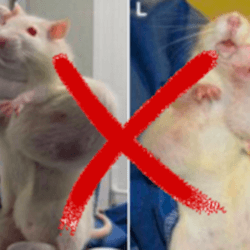
The authors claimed their study showed GM maize causes tumours in rats, but the paper’s design and methodology was pilloried on first publication, primarily for lack of controls.
Senior Lecturer in the University of Adelaide School of Medicine Sciences, Dr Ian Musgrave, said the “major flaws in this study still remain”. Dr Musgrave said Professor Seralini used the wrong controls and failed to consistently take into account dose response or measured outcomes.



Associate Professor Peter Dearden, Director of Genetics at the University of Otago in New Zealand, said the paper being published was “identical to the first one”. However, he said the flawed study raised some interesting points which should be further developed with proper methodology.
“The paper was, in my mind, inconclusive, but pointed a direction in which future research could go,” Prof Dearden said. “Controversial studies should not be buried because of public argument. They should be investigated, repeated, and new data published to either disprove or support the original findings. Only then do we get a clear and robust argument.”
Read the full, original article: Seralini study republished






















