Babies coming into the world by cesarean section experience epigenetic changes, a study has found. So far there has not been enough follow up to know whether the effects are long lasting, but the discovery may explain the relatively poorer outcomes for babies delivered in this way.
Cesarean delivery, where the mother’s abdomen and uterus are surgically cut open to remove the baby, was once a last, desperate option. However, rates are increasing dramatically worldwide, closing on 50 percent in China.
Despite epidemiological evidence that cesarean birth is associated with a higher risk of conditions such as type-1 diabetes the mechanism is unknown, which may have hampered responses. However, Professor Tomas Ekstrom has provided a step towards an explanation with a paper in the American Journal of Obstetrics and Gynecology.
“In this study, our focus has been whether the way a baby is born can have an impact on a cellular level in the form of epigenetic alterations in DNA,” Ekstrom said.
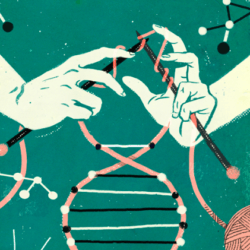
Ekstrom found higher rates of methylation in stem cells from 18 babies delivered by by cesarean than 25 via vaginal birth. Methylation of DNA affects whether genes are expressed or not within a cell and is the major path through which environmental factors can alter the expression of genetic traits.



When Ekstrom did a more detailed study of 12 of the babies he found statistically significant differences in methylation in almost 350 regions, many of which are known to influence the immune system.
Read the full, original story: Cesarean delivery may cause epigenetic changes in babies DNA