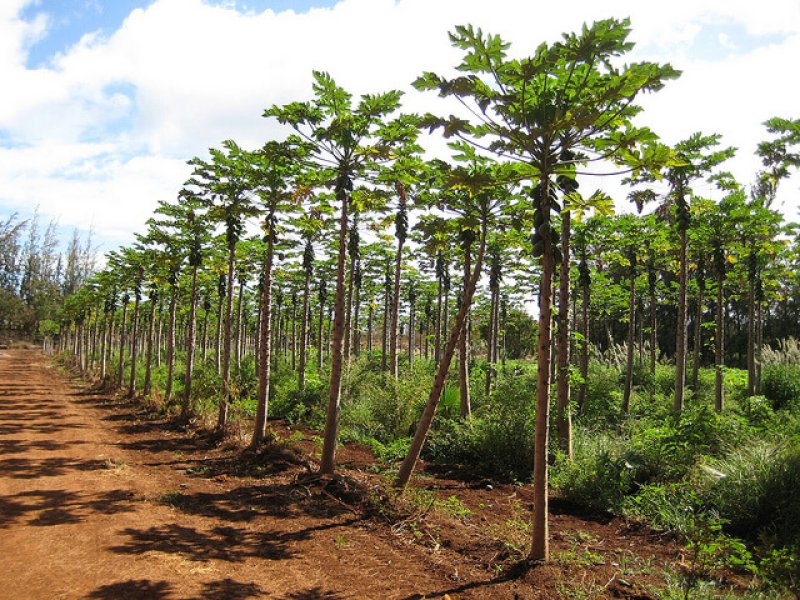

Samson Kaahanui wakes up every weekday on the Hoolehua homestead, pulls on a neon long-sleeved shirt and goes to work in the GMO seed corn fields of central Molokai. Work is hard to come by on Molokai. The unemployment rate is nearly double the state average, hovering around 9 percent. And Mycogen Seeds, part of Dow AgroSciences, pays well compared to many other businesses on the island of about 7,300 people, allowing Kaahanui to support his wife and six of his eight children who still live at home.
But his job may be in jeopardy.
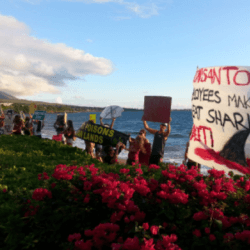
A Maui County voter initiative targeting genetically modified organisms — GMOs — seeks to ban their cultivation until the county studies their effects. The initiative reflects growing fears statewide about the environmental and health impacts of biotechnology in agriculture. Although it’s unclear what the companies will do if the initiative becomes law, state economist Eugene Tian said that if the industry collapses, Molokai’s unemployment rate could jump to more than 18 percent.
And while the island has the most to lose, it’ll have the least say come November.
Maui County also contains Lanai and Maui, which have about 20 times more people than Molokai. According the SHAKA Movement, the group behind the voter initiative, more than 19,000 people signed the petition putting the bill on the ballot — only about 300 were Molokai residents.



“I never did hold one solid job down until I came and worked for Monsanto,” Monsanto employee Maka Makaiwi said. As a Native Hawaiian man, he’s more likely to be in prison than a person of nearly any other race in Hawaii, and because he lives on Molokai, he’s got a higher chance of being jobless. “If I lose my job, what I gonna do, go back to dealing drugs?”
Read the full, original article: Molokai has the most to lose, but least say in GMO debate