Placenta, controlled by baby’s genes, is bellwhether for fetal and maternal health

ef z
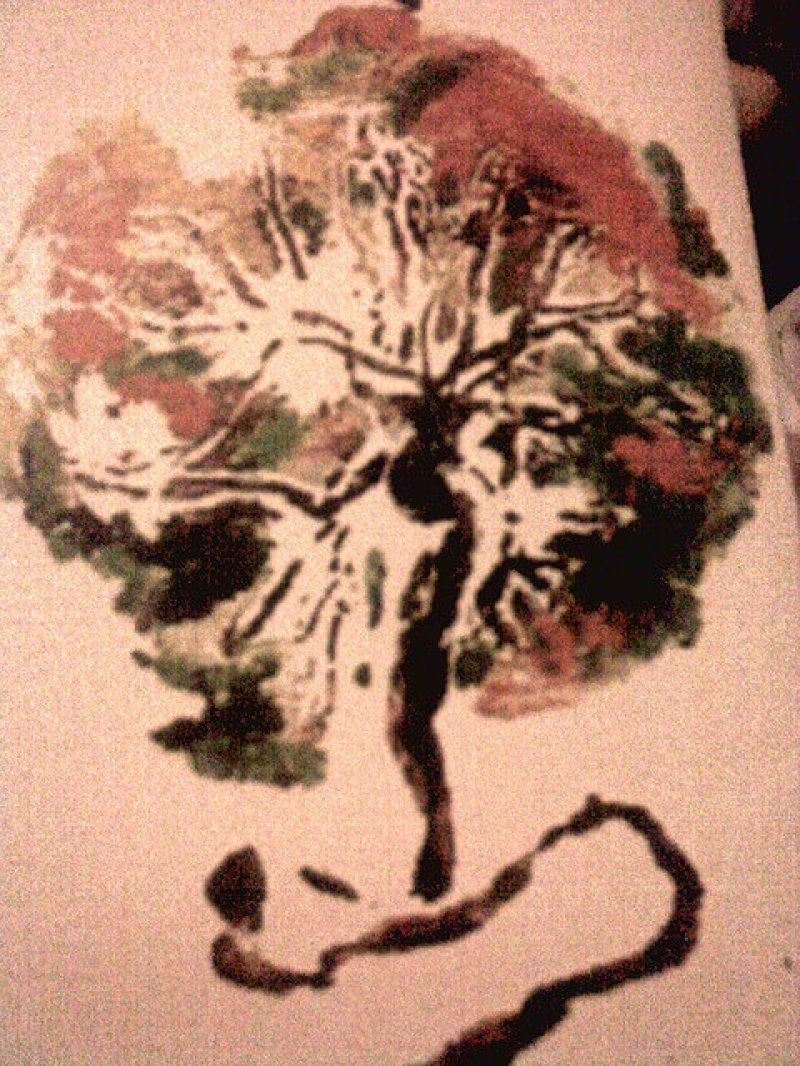
Painted print of a placenta (Credit: Philippa Willitts/ Flickr)

Minutes after a baby girl was born on a recent morning at UCSF Medical Center here, her placenta — a pulpy blob of an organ that is usually thrown away — was packed up and carried off like treasure through a maze of corridors to the laboratory of Susan Fisher, a professor of obstetrics, gynecology and reproductive sciences.

There, scientists set upon the tissue with scalpels, forceps and an array of chemicals to extract its weirdly powerful cells, which storm the uterus like an invading army and commandeer a woman’s body for nine months to keep her fetus alive. The placenta is the life support system for the fetus. A disk of tissue attached to the uterine lining on one side and to the umbilical cord on the other, it grows from the embryo’s cells, not the mother’s. It is sometimes called the afterbirth: It comes out after the baby is born, usually weighing about a pound, or a sixth of the baby’s weight.

It provides oxygen, nourishment and waste disposal, doing the job of the lungs, liver, kidneys and other organs until the fetal ones kick in. If something goes wrong with the placenta, devastating problems can result, including miscarriage, stillbirth, prematurity, low birth weight and pre-eclampsia, a condition that drives up the mother’s blood pressure and can kill her and the fetus. A placenta much smaller or larger than average is often a sign of trouble. Increasingly, researchers think placental disorders can permanently alter the health of mother and child.

“The placenta has essentially been called the chronicle of intrauterine life,” said Rebecca Baergen, perinatal pathologist. “It really tells the story of what’s been going on. It plays the role of many organs — liver, kidney, respiratory, endocrine. It can give you a lot of information about the baby’s and the mom’s health.”

Read the full, original story: The Mysterious Tree of a Newborn’s Life

{{ reviewsTotal }}{{ options.labels.singularReviewCountLabel }}
{{ reviewsTotal }}{{ options.labels.pluralReviewCountLabel }}
{{ options.labels.newReviewButton }}
{{ userData.canReview.message }}

Related Articles

Infographic: Global regulatory and health research agencies on whether glyphosate causes cancer

Infographic: Global regulatory and health research agencies on whether glyphosate causes cancer

Does glyphosate—the world's most heavily-used herbicide—pose serious harm to humans? Is it carcinogenic? Those issues are of both legal and ...

Most Popular

ChatGPT-Image-Jun-9-2026-01_11_37-PM
Turmeric supplements: More risks than benefits
newborn infant baby mother
Facts & Fallacies Podcast: The truth about vitamin K shots
Screenshot-2026-06-16-at-10.02.22-PM
Viewpoint: ‘Industrial food’ primer—Challenging the dangerous delusions of the alternative food movement
Screen Shot at AM
Facts & Fallacies Podcast: Right-wing politics bad for your health? Separating speculation from science
ChatGPT Image Jun 16, 2026, 12_03_37 PM
Kennedy accused of trying to ‘bully’ science journal that retracted study linking vaccines to infant deaths
ChatGPT-Image-Jun-3-2026-04_29_13-PM
Viewpoint: While unvaccinated children are dying overseas, Congress challenges Trump and Kennedy’s block on aid
ChatGPT-Image-Jun-15-2026-12_13_41-PM
Viewpoint: Behind the effort to re-purpose the tobacco attack strategy to fight ultra-processed foods
ChatGPT-Image-Jun-15-2026-11_00_13-AM-2
Glucosamine alert: Alzheimer’s progresses faster among those taking the popular supplement
Screenshot-2026-06-16-at-12.33.01-PM
Who’s responsible when AI lies? Google challenging court ruling that search results are not protected from legal liability
Screenshot-2026-06-16-at-11.23.32-AM
In a rebuke to RFK, Jr.’s anti-vax crusade, journal retracts study claiming hepatitis B vaccine–autism link
Screenshot-2026-06-16-at-12.46.54-PM
Viewpoint: “Dead Wrong”—Understanding healthcare’s misinformation epidemic
Screenshot-2026-06-05-at-2.12.30-PM
Some plants can poison you. So how did humans figure out what is safe to eat?

Screenshot-2026-06-14-at-9.53.54-AM
Is the World Cup a perfect storm for the spread of infectious diseases?
glp menu logo outlined

Get news on human & agricultural genetics and biotechnology delivered to your inbox.