
Is genetic screening for all a new eugenics?

In recent weeks, there’s been talk of three types of genetic testing transitioning from targeted populations to the general public: carrier screens for recessive diseases, tests for BRCA mutations, and non-invasive prenatal testing (NIPT) to spot extra chromosomes in fetuses from DNA in the maternal bloodstream.

Are these efforts the leading edge of a new eugenics movement? It might appear that way, but I think not.

When I began providing genetic counseling 30 years ago at CareNet, a large ob/gyn practice in Schenectady, NY, few patients were candidates for testing: pregnant women of “advanced maternal age” (35+), someone with a family history of a single-gene disorder or whose ethnic background was associated with higher prevalence of a specific inherited disease. Their risks justified the cost and potential dangers of the tests.

Now the picture is rapidly changing as plummeting DNA sequencing costs and improved technologies are removing economics from the equation. It’s becoming feasible to test anyone for anything – a move towards “pan-ethnic” genetic screening that counters the “sickle-cell-is-for-blacks and cystic-fibrosis-is-for-whites” mindset.

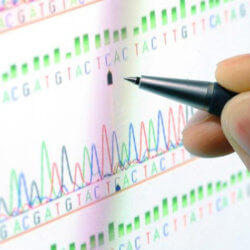
So here’s a look at three very different types of genetic tests that are poised to make the leap to the general population. And despite new targets revealed with annotation of human genomes, some of the detection technologies themselves are decades old.

Read the full, original story: Genetic testing for all: Is it eugenics?

Related Articles

Infographic: Global regulatory and health research agencies on whether glyphosate causes cancer

Infographic: Global regulatory and health research agencies on whether glyphosate causes cancer

Does glyphosate—the world's most heavily-used herbicide—pose serious harm to humans? Is it carcinogenic? Those issues are of both legal and ...

Most Popular

Nurturing Care Beneath the Crunchy Moms Logo
Crunchy Moms disinformation flood: Zuckerberg's Facebook has opened floodgates on measles and vaccines
Screenshot-2026-11-19-at-7.54.57-PM
European General Court sides with scientists, dismisses activist claims that glyphosate is toxically dangerous
Screenshot-2026-11-16-at-2.37.32-PM
30 years of GMO farming: Is the boom in glyphosate and glufosinate use harming the environment? Data show they’re the most sustainable choice
Stormlit Portrait Over Golden Mountains
Searching for life where no one thought to look: A renowned astrophysicist’s seemingly quixotic quest to explore Venus’s clouds
Soybean Harvest in Cupped Hands
30 years of GMO farming: Defying cynics, we’ve had larger harvests, lower costs, and $385 billion in added global farmer income
Screenshot-2026-11-18-at-2.44.24-PM
Why should thousands of Americans die every year waiting for a kidney transplant? There’s an easy fix to this morbid reality
Screenshot-2026-11-19-at-7.23.23-PM
Viewpoint: After a yearlong hiatus, the U.S. Preventive Services Task Force is back in business—gutted by RFK Jr. and promoting junk science
ChatGPT-Image-Mar-10-2026-01_39_01-PM
Viewpoint—“Miracle molecule” debunked: Why acemannan supplements don’t work
Screenshot-2026-11-17-at-12.18.09-PM
Challenging glyphosate fear-mongering: Statewide Nebraska study finds no link between weedkiller use and non-Hodgkin lymphoma
glp menu logo outlined

Get news on human & agricultural genetics and biotechnology delivered to your inbox.











