The Environmental Protection Agency is arguably the worst regulatory agency in the history of the world. But perhaps I understate.
The damage inflicted by the agency on consumers and a slew of American industries–biotechnology and those that produce energy and chemicals, in particular–is incalculable and probably irreparable.
The American farmer is now in EPA’s crosshairs. Strong signals from regulators suggest they are about to severely restrict or completely eliminate some of the most important tools in the farmer’s toolkit. They—and the rest of us–need to wake up to this new threat and defend their interests before EPA takes a major bite out of the nation’s agricultural productivity.
EPA’s Biological and Economic Analysis Division recently issued a report proclaiming that seed-coating applications of neonicotinoid pesticides–the most popular and widely used insecticide in the world today–“provide negligible overall benefits” in growing soy crops. That was big news to soybean farmers, who rely on neonic seed coatings to protect their crops in ways no other product can.

Why is this significant? Because it makes EPA an active accomplice in a years-long campaign by radical environmentalists to ban neonicotinoids, highly selective yet effective pesticides derived from nicotine, a naturally-occurring plant substance. Neonics, mostly applied as seed coatings, are absorbed into crops where they kill only the insects that attempt to feed on them while reducing the exposure of beneficial insects such as bees.
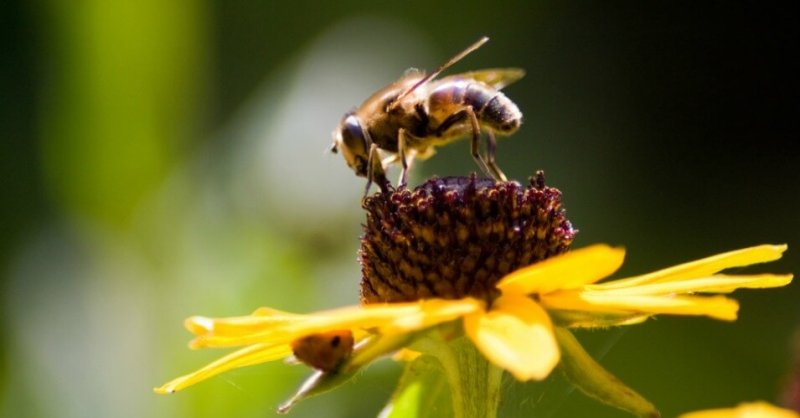
With groups such as the Center for Food Safety, Friends of the Earth and Pesticide Action Network in the lead, activists blame neonics for the health problems of bees in recent years, including the mysterious Colony Collapse Disorder, in which bees suddenly abandon their hives. But most scientists agree that bee health problems are multi-factorial.
Read full, original article: A Wake-Up Call For U.S. Farmers: The EPA Is Trying To Put You Out of Business