Hawaii’s GMO lesson: Public interest research future of GE technology

If you read the social media, you’d believe that genetic modification of crops is being done almost solely by the big seed and chemical companies.

As with so much information in this controversial field, that’s wrong.

A broad, diverse application of this technology is used in agriculture by government agriculture research centers, universities and private labs across the country and the world.

The seed companies clearly have a big impact in the field, because they’re working on the world’s major food crops, and they have developed some of the basic techniques in the field.

But around the world, the genetic modification techniques are being used to solve regional and small-crop issues—and the work is being done by regional and local institutions. And some of is being done to solve major global nutrition issues—without a profit motive at all.

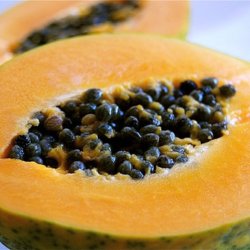
Hawai`i’s Rainbow papaya is an example. When papaya ringspot virus wiped out the industry on the Big Island, it wasn’t Big Ag that stepped in, but Cornell University and the University of Hawai`i.

Conventional breeding had been tried, but there was no natural resistance in papaya. Led by professor Dennis Gonsalves at Cornell, researchers used genetic engineering techniques to insert a bit of the virus into the papaya, so that the plant would be resistant. The resulting Rainbow papaya saved the industry.

And the seeds? They were given away at first, and later sold at cost.

Read full, original article: Misinformation in the GMO controversy: who’s really doing the work?

Related Articles

Infographic: Global regulatory and health research agencies on whether glyphosate causes cancer

Infographic: Global regulatory and health research agencies on whether glyphosate causes cancer

Does glyphosate—the world's most heavily-used herbicide—pose serious harm to humans? Is it carcinogenic? Those issues are of both legal and ...

Most Popular

ChatGPT-Image-Sep-10-2026-10_36_07-AM
Viewpoint: Even lousy scientific articles can shield authors when they hype dubious health claims and products
ChatGPT-Image-Mar-10-2026-01_39_01-PM
Viewpoint—“Miracle molecule” debunked: Why acemannan supplements don’t work
sorghum farmers in kenya FARMERS TREND
Here are all the ways CRISPR gene editing is transforming Africa’s staple crops—and there’s a lot more innovation to come
Screenshot-2026-10-01-at-11.21.27-AM
Vaccine hesitancy, like malaria, surges globally, topping 35% in some countries
ChatGPT-Image-Sep-30-2026-01_25_34-PM
Blood tests for Alzheimer’s? The latest grifter, social media scam.
ChatGPT-Image-Sep-30-2026-01_11_07-PM
How U.S. teamed with Russia to block global human AI weapons oversight
ChatGPT-Image-Sep-30-2026-01_38_36-PM
Viewpoint: Died “with measles” vs. died “from measles”: RFK, Jr.’s dangerously subversive word games
ChatGPT-Image-Sep-21-2026-03_15_09-PM
Viewpoint: Chipotle-inspired lesson: 10,000 sick customers suggest that processed foods can be safer than fresh ones
ChatGPT-Image-Sep-29-2026-12_16_42-PM
Social media influencers are driving food misinformation across Europe
Screenshot-2026-09-28-at-1.16.38-PM
Defying public perceptions, U.S. cancer deaths plunged 35% since 1991
glp menu logo outlined

Get news on human & agricultural genetics and biotechnology delivered to your inbox.