Are computers equipped to handle mass genomic data?

sn storage

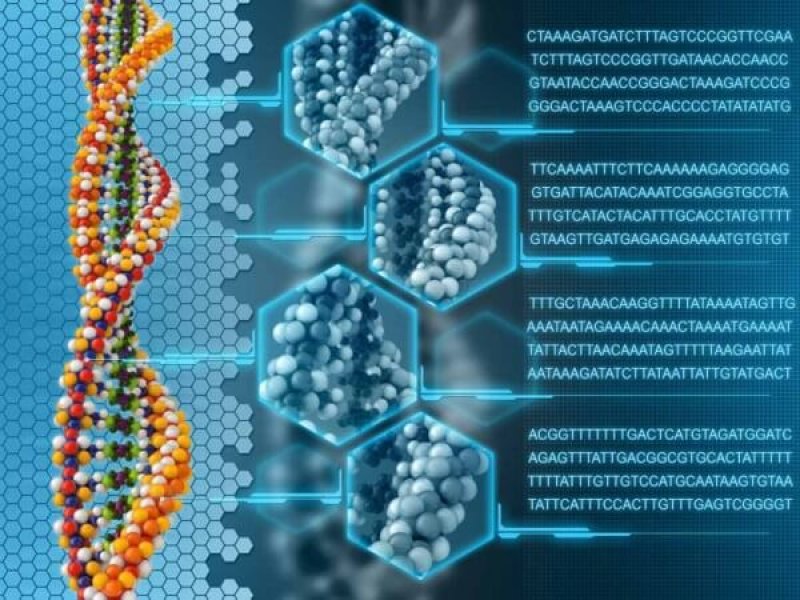
The computing resources needed to handle genome data will soon exceed those of Twitter and YouTube, says a team of biologists and computer scientists who are worried that their discipline is not geared up to cope with the coming genomics flood.

Other computing experts say that such a comparison with other ‘big data’ areas is not convincing and a little glib. But they agree that the computing needs of genomics will be enormous as sequencing costs drop and ever more genomes are analysed.

By 2025, between 100 million and 2 billion human genomes could have been sequenced, according to the report, which is published in the journal PLoS Biology. The data-storage demands for this alone could run to as much as 2 to 40 exabytes (1 exabyte is 1018 bytes), because the number of data that must be stored for a single genome are 30 times larger than the size of the genome itself, to make up for errors incurred during sequencing and preliminary analysis.


“This serves as a clarion call that genomics is going to pose some severe challenges,” says biologist Gene Robinson from the University of Illinois at Urbana-Champaign (UIUC), a co-author of the paper. “Some major change is going to need to happen to handle the volume of data and speed of analysis that will be required.”

The GLP aggregated and excerpted this blog/article to reflect the diversity of news, opinion and analysis. Read full, original post: Genome researchers raise alarm over big data


Related Articles

Infographic: Global regulatory and health research agencies on whether glyphosate causes cancer

Infographic: Global regulatory and health research agencies on whether glyphosate causes cancer

Does glyphosate—the world's most heavily-used herbicide—pose serious harm to humans? Is it carcinogenic? Those issues are of both legal and ...

Most Popular

ChatGPT Image Jul 31, 2026, 08_05_37 AM
26% and far worse than during COVID: Under RFK Jr., Americans’ opinion of ‘revamped’ CDC hits an all-time low
Screenshot-2026-10-26-at-11.06.10-AM
Viewpoint: The organic, good-food, small-farm movement is seductive but wrongheaded. Here’s the sustainability and environmental case for industrial farming
Screenshot-2026-10-24-121036
Many hospitals embrace longevity medicine. Are they separating science from hype?
Picture1
Viewpoint: How badly is the U.S. food-safety net fraying? FDA’s bungled handling of the tainted lettuce crisis deepens concerns over cuts to disease tracking and response
ChatGPT-Image-Mar-10-2026-01_39_01-PM
Viewpoint—“Miracle molecule” debunked: Why acemannan supplements don’t work
Cancer mRNA Vaccine Concept
'A new frontier': Though scorned by RFK Jr., personalized mRNA vaccine offers hope for many suffering from melanoma skin cancer
China Innovation Lightbulb 2
China’s 5-year plan to accelerate science innovation is putting the U.S. and Europe in the rearview mirror
Screenshot-2026-10-23-at-10.37.12-AM
Viewpoint: Drones, dollars and baby food: Critical innovations that anti-plastic ideologues willfully ignore
Crimson Drips Over the White House
In Trump administration redirect, U.S. steers NIH sharply away from biodefense and pandemic preparedness
Healthy Food Sensitivity Test Collection
Viewpoint: That’ll be $300: The wellness industry’s junk science scam to ‘fix’ your immune system that isn’t broken
West-Virginia-SNAP-Water-Bottle-Sticker
A ‘shining success’ or 'empty promises’: Two years along, West Virginians assess MAHA’s food promises
Screenshot 2026-10-16 at 5.38
PFAS in Agriculture: Science, Uncertainty, and Risk Communication
glp menu logo outlined

Get news on human & agricultural genetics and biotechnology delivered to your inbox.