


Proponents of mandatory labeling of food products targeted U.S. agriculture’s increasing use of glyphosate, the key ingredient in Monsanto’s Roundup herbicide and a chemical that has been classified as “probably carcinogenic” by the International Agency for Research on Cancer, the cancer research arm of the World Health Organization.
Charles Benbrook with the Center for Sustaining Agriculture and Natural Resources at Washington State University asserted that glyphosate now accounts for about two-thirds of the active ingredients farmers use on their crops and that its use exploded following the introduction of genetically-engineered glyphosate resistant crops – mostly corn and soybeans — letting farmers kill weeds without killing the crops. That’s up from about 10 percent in the mid-1980s.
A meta-analysis published by PLOS one in November 2014 found that on average, adoption of GM technology adoption has reduced chemical pesticide use by 37 percent, increased crop yields by 22 percent, and increased farmer profits by 68 percent. Yield gains and pesticide reductions were larger for insect-resistant crops than for herbicide-tolerant crops. Yield and profit gains were higher in developing countries than in developed countries.
In response to the briefing, the Coalition for Safe and Affordable Food released the following statement:

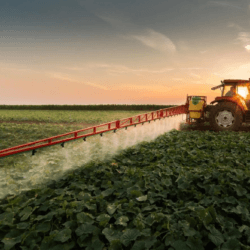



“Opponents of GMOs … seem to overlook or ignore the inconvenient truth that pesticides and herbicides are used in the production of conventional crops as well, which means that their demand for mandatory labeling of GMOs would provide consumers with no actionable information whatsoever regarding when, where or if a farmer used these agricultural tools during the growing season.”
The GLP aggregated and excerpted this blog/article to reflect the diversity of news, opinion and analysis. Read full, original post: Backers of mandatory GMO label laws take aim at glyphosate






















