Synthetic components added to DNA expand genetic alphabet

DNA stores our genetic code in an elegant double helix. But some argue that this elegance is overrated. “DNA as a molecule has many things wrong with it,” said Steven Benner, an organic chemist at the Foundation for Applied Molecular Evolution in Florida.

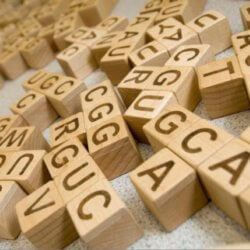
Nearly 30 years ago, Benner sketched out better versions of both DNA and its chemical cousin RNA, adding new letters and other additions that would expand their repertoire of chemical feats. He wondered why these improvements haven’t occurred in living creatures. Nature has written the entire language of life using just four chemical letters: G, C, A and T. Did our genetic code settle on these four nucleotides for a reason? Or was this system one of many possibilities, selected by simple chance? Perhaps expanding the code could make it better.

Now, after decades of work, Benner’s team has synthesized artificially enhanced DNA that functions much like ordinary DNA, if not better. In two papers published in the Journal of the American Chemical Society last month, the researchers have shown that two synthetic nucleotides called P and Z fit seamlessly into DNA’s helical structure, maintaining the natural shape of DNA. Moreover, DNA sequences incorporating these letters can evolve just like traditional DNA, a first for an expanded genetic alphabet.
The GLP aggregated and excerpted this blog/article to reflect the diversity of news, opinion and analysis. Read full, original post: Chemists invent new letters for nature’s genetic alphabet

{{ reviewsTotal }}{{ options.labels.singularReviewCountLabel }}
{{ reviewsTotal }}{{ options.labels.pluralReviewCountLabel }}
{{ options.labels.newReviewButton }}
{{ userData.canReview.message }}

Related Articles

Infographic: Global regulatory and health research agencies on whether glyphosate causes cancer

Infographic: Global regulatory and health research agencies on whether glyphosate causes cancer

Does glyphosate—the world's most heavily-used herbicide—pose serious harm to humans? Is it carcinogenic? Those issues are of both legal and ...

Most Popular

Screenshot-2026-05-01-at-1.29.41-PM
Viewpoint: What happens when whole grains meet modern food manufacturing? Labels don’t tell the whole story.
S
As vaccine rejectionism spreads, measles may be taking a more dangerous turn
Screenshot 2026-05-06 at 2.56
Singularity crisis ahead? Can super babies save us from rogue AI geniuses?
Screenshot-2026-05-06-at-2.07.43-PM
Manufacturing a conspiracy: The timeline of how  the White House embraced the fringe claim that scientists are being mysteriously murdered
Screenshot-2026-03-13-at-12.14.04-PM
The FDA wants to make many popular prescription drugs OTC—a great idea. Here’s why it’s unlikely to happen
Screenshot-2026-04-20-at-2.26.27-PM
Viewpoint — Food-fear world: The latest activist scientists campaign: Cancer-causing additives
Screenshot-2026-04-30-at-2.19.37-PM
5 myths about summer dehydration that could damage your health — or even kill you
ChatGPT-Image-May-6-2026-03_41_05-PM
‘Protecting the integrity of science’: Kennedy’s FDA blocks release of taxpayer-funded studies finding COVID and shingles vaccines safe
Screenshot-2026-04-03-at-11.15.51-AM
Paraben panic: How a flawed study, media hype, and chemophobia convinced the public of the danger of one of the safest classes of preservatives
Screenshot-2026-05-01-at-11.56.24-AM
‘Science moves forward when people are willing to think differently’: Memories of DNA maverick Craig Venter
79d03212-2508-45d0-b427-8e9743ff6432
Viewpoint: The Casey Means hustle—Wellness woo opportunism dressed up as medical wisdom
glp menu logo outlined

Get news on human & agricultural genetics and biotechnology delivered to your inbox.