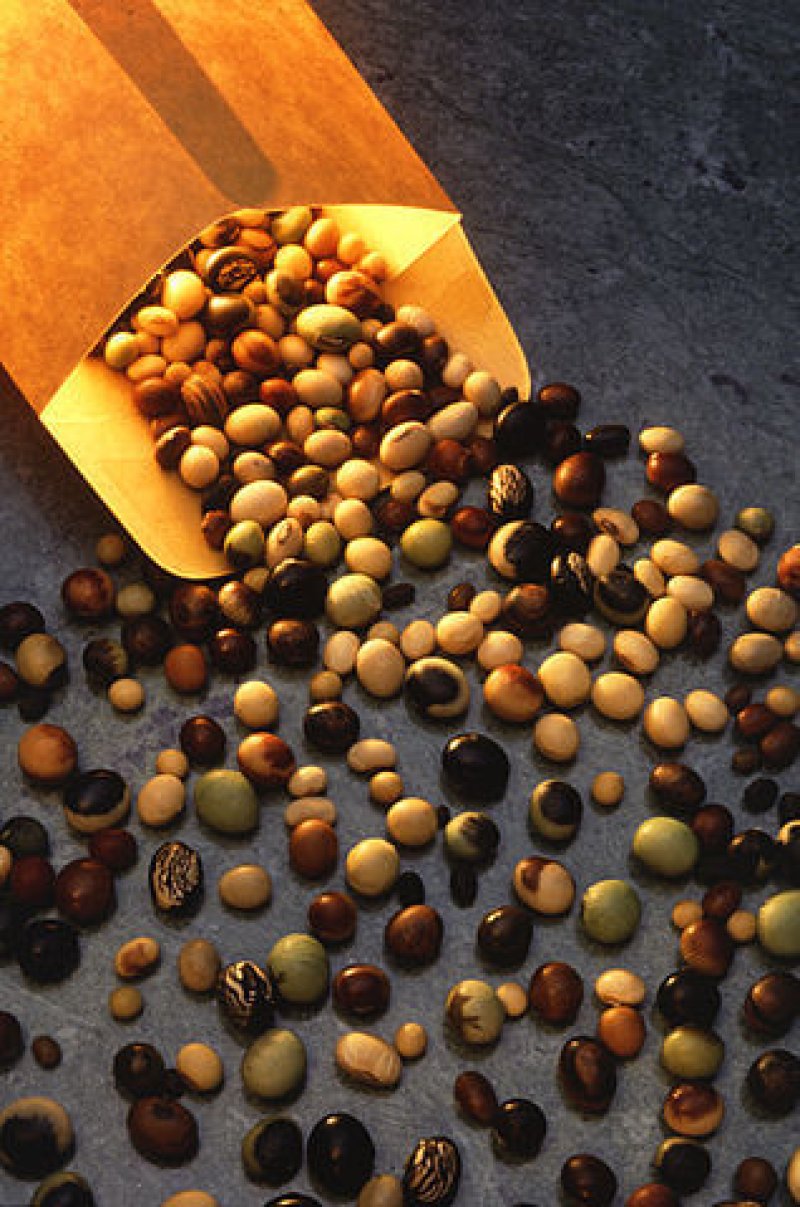

Monsanto’s Roundup Ready seeds increased farmer’s yields, but came with a caveat. Because their pesticide resistance genes were patented, farmers had to shell out cash to Monsanto every year, instead of reusing seeds. Now, Monsanto’s reign is (seemingly) beginning to end. Earlier this year, the patent on Monsanto’s Roundup Ready soybean expired. Now, farmers can sow generic genetically modified soybeans, and they can save the next generation of these seeds to replant next season—all without paying Monsanto a penny.
When a big pharma company faces a patent expiration, they reformulate. “New” versions of a drug appear around the time an original patent expires, with some slight tweak that suggests it’ll work better. But slick marketing isn’t likely to sway a farmer’s purchasing decision— they’re going to pay closer attention to hard numbers.
For now, the numbers are in Monsanto’s favor. They released soybeans with the Genuity Roundup Ready 2 Yield trait several years ago. This modification actually works better than the original.
But the unlocking of Monsanto’s patent might help the academic world. Now, universities can continue research on the original Roundup Ready without paying licensing fees. Since they don’t need to make money off of the seeds like a competing ag company would, academic labs can continue to experiment with slight tweaks on those seeds— developing new versions that meet needs of a smaller subset of farmers.
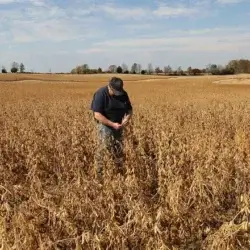



Monsanto will continue to dominate the soybean seed market. But now that the technology is out in the open, more players can enter the field. These GM generics may not be a match for Monsanto now, but they’re edging closer to the ring.
The GLP aggregated and excerpted this blog/article to reflect the diversity of news, opinion and analysis. Read full, original post: Generic GMOs Aren’t Going to Bring Down Monsanto’s Empire