Steven Pinker on CRISPR bioethical constraints and critics: ‘Get out of the way’

IIevX rR

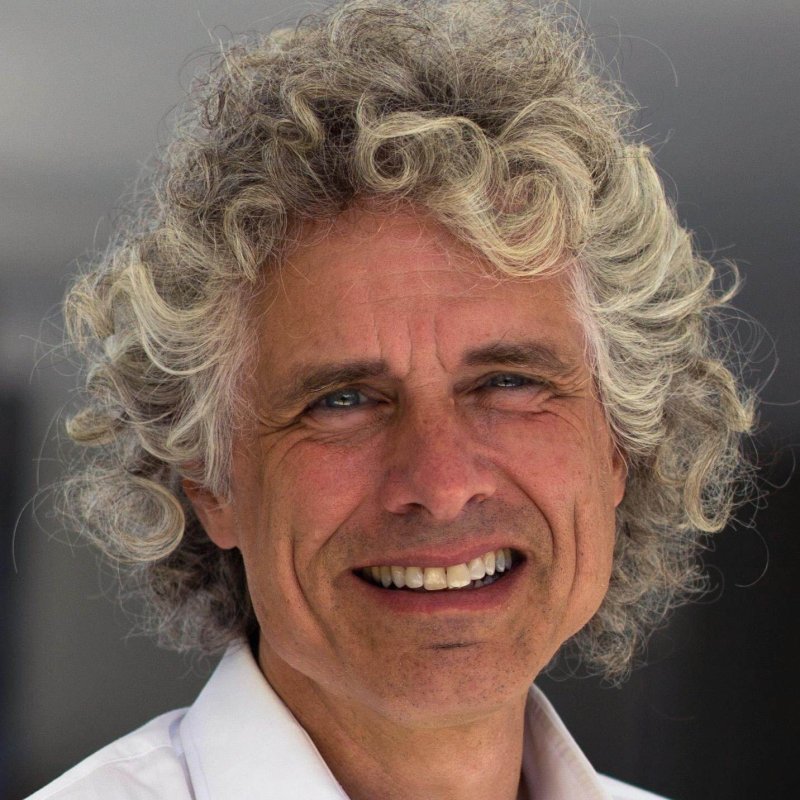
Professor Steven Pinker of Harvard has been one of the most outspoken advocates for more gas and less brakes in CRISPR research. Both in writing and in talks he has expressed the view that we should move forward without substantial impediments to CRISPR-Cas9. For instance, Pinker’s “get out of the way” editorial in The Boston Globe on CRISPR was very critical of bioethics and advocated an expeditious path forward for the research without constraints. It sparked wide-ranging discussions and even some anger from bioethicists.

Knoepfler: Related to your talk at BEINGS and your more recent editorial, what do you see as the appropriate role for bioethics and bioethicists in the life sciences? “Get out of the way” seems rather absolute. Can you help us understand the nuances there in your view of bioethics if any?

Pinker: There’s a difference between ethics, on the one hand, and “bioethics” and “bioethicists,” on the other. Of course everything a scientist does — everything a human being does — ought to be ethically guided. But bioethics has become a professional guild that all too often impedes sound ethical concerns rather than advancing them. Many moral philosophers — the scholars who specialize in evaluating the soundness of ethical arguments — believe that mainstream bioethics commonly trades in confused claims based on emotion and woolly thinking.

The GLP aggregated and excerpted this blog/article to reflect the diversity of news, opinion and analysis. Read full, original post: Steven Pinker interview: case against bioethocrats & CRISPR germline ban

{{ reviewsTotal }}{{ options.labels.singularReviewCountLabel }}
{{ reviewsTotal }}{{ options.labels.pluralReviewCountLabel }}
{{ options.labels.newReviewButton }}
{{ userData.canReview.message }}

Related Articles

Infographic: Global regulatory and health research agencies on whether glyphosate causes cancer

Infographic: Global regulatory and health research agencies on whether glyphosate causes cancer

Does glyphosate—the world's most heavily-used herbicide—pose serious harm to humans? Is it carcinogenic? Those issues are of both legal and ...

Most Popular

ChatGPT-Image-Jun-21-2026-02_33_08-PM
Texas Air Force base flu outbreak soars to over 220 cases, and one soldier has died after Secretary Hegseth scrapped mandatory military flu shots 
ChatGPT-Image-Jun-9-2026-01_11_37-PM
Turmeric supplements: More risks than benefits
ChatGPT-Image-Jun-15-2026-11_51_00-AM-4
Viewpoint: As the International Association for Research on Cancer loses influence, activists and trial lawyers scramble to protect a lucrative playbook
screenshot pm
Which is better for building healthy farm soil? Organic offers no special edge.
wuhan institute of virology main entrance
​​COVID lab leak? Making a case that the Wuhan market origins theory is wrong
Screenshot-2026-06-05-at-2.12.30-PM
Some plants can poison you. So how did humans figure out what is safe to eat?
ChatGPT-Image-Jun-19-2026-04_11_20-PM
Daubert for Dummies—Scientific Reliability in U.S. Courts: Daubert, Rule 702, and Made-for-Litigation Evidence
Screenshot-2026-06-17-at-9.44.03-AM
Viewpoint: Embryos are becoming the newest battleground of love, loss, and legal uncertainty
ChatGPT-Image-Jun-19-2026-05_21_35-PM
The American Medical Association doctors declare war on RFK, Jr.’s attack on safe vaccines
Screenshot-2026-06-18-at-11.41.51-AM
Viewpoint—Protecting baloney science: Far right senators move to protect the phony homeopathy industry
Screenshot-2026-06-19-at-4.53.19-PM
Viewpoint: How the Trump administration is thwarting the will of Congress and starving American science
ChatGPT-Image-Jun-11-2026-01_15_03-PM
Selective Pressure, Selective Silence
glp menu logo outlined

Get news on human & agricultural genetics and biotechnology delivered to your inbox.