The GLP aggregated and excerpted this blog/article to reflect the diversity of news, opinion and analysis.
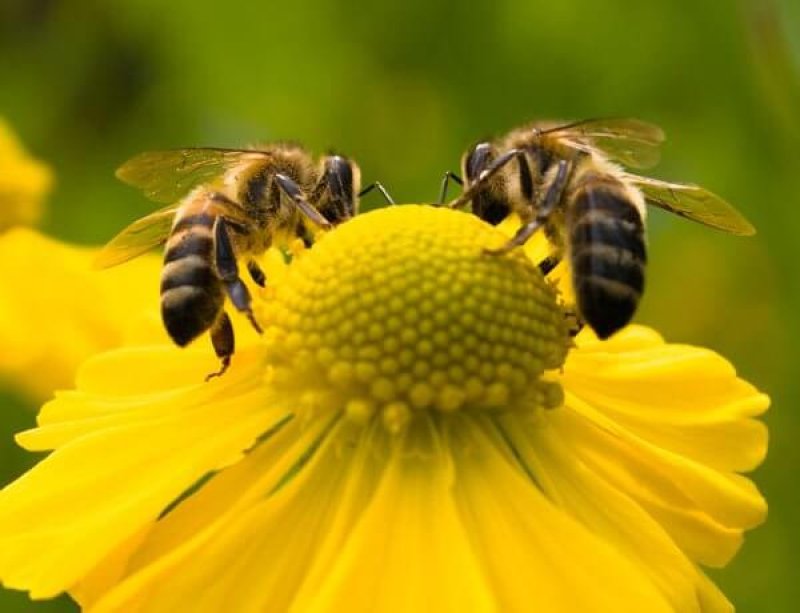
In September, researchers from the U.S. Department of Agriculture’s Agricultural Research Service and Mississippi State University reported that they tested 42 commonly used pesticides in a more realistic field setting on cotton row crops. They essentially mimicked a situation where an adult bee in a cotton field accidentally gets sprayed. Furthermore, the researchers used pesticides that were in the actual commercial formulations that would be used by farmers in their fields. This is an important distinction because most previous research tested the active ingredients only, which did not include other chemicals that influence the distribution, absorption, and overall exposure of the pesticides to plants and bees. Their work appears in the Journal of Economic Entomology.
Using a modified spray tower to simulate field spray conditions, the researchers found that 26 pesticides, including many (but not all) neonicotinoids, organophosphates, and pyrethroids killed nearly all of the bees that came into contact with the test pesticide sprays. However, seven pesticides, including glyphosate and one neonicotinoid (acetamiprid), killed practically no bees in the tests.

The new data show that a number of pesticides are available, including the neonicotinoid acetamiprid, that could be used to control tarnished plant bugs, stink bugs, aphids, and mites, without causing much (if any) harm to bees. It also calls into question some regulatory measures that focus only on neonicotinoids, since organophosphates, pyrethroids, and carbamates together comprise the 26 commercial pesticides that pose a significant threat to honey bees. Also significant was the low-toxicity ranking of glyphosate, the world’s most-used pesticide, which has been targeted for its use on fields with genetically modified “Roundup-ready” crops that can resist the herbicide.
Read full, original post: Study Finds Glyphosate and Acetamiprid to Have Relatively Low Toxicity for Honey Bees