More evidence antioxidants can be dangerous, likely raise cancer risk

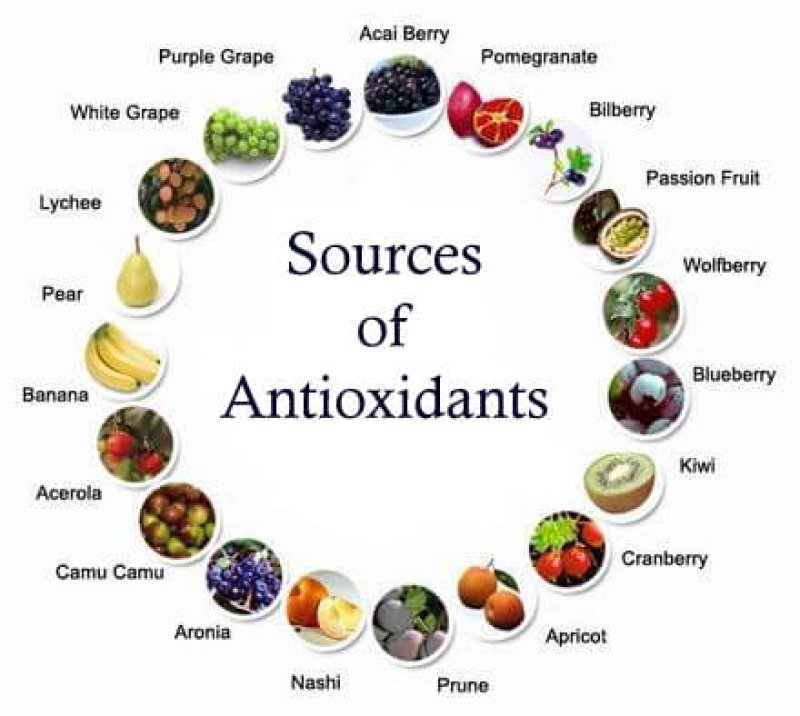
antioxidant sources

The GLP aggregated and excerpted this blog/article to reflect the diversity of news, opinion and analysis. 

Antioxidants have been pitched from grocery store shelves, vitamin supplement labels, and by nutritionist sketchballs for as long as I can remember. Indeed, the basic idea traces all the way back to the 1920s and the identification of vitamin E and its benefits for the reproductive health of mice. The idea would peak in the early 00’s with the sudden ascendancy of the “superfoods” marketing movement — largely premised on the idea of beneficial antioxidants—and it’s waned only slightly since.

As described in the current issue of Science Translational Medicine, researchers have found that antioxidants as much as double the rate of melanoma metastasis in mouse models. The results align well with other recent research by the same group finding that antioxidant supplements hasten and aggravate the progression of lung cancer, the most common form of the disease. Both sets of findings sit atop a growing body of evidence that antioxidant supplementation is a sketchy, possibly even dangerous practice for those without pre-existing antioxidant deficits.

Antioxidant hype was never really based on science. A handful of studies in the early ’90s suggested that people will low intake of fruits and vegetables known to be high in antioxidants were at greater risk for cancer, and the supplement industry went all out in selling the idea (it’s still going all out). Follow up studies, however, focused on individual antioxidant compounds and found not much benefit. These were easily drowned out by a towering wave of antioxidant hype.

Read full, original post: Still More Evidence That Antioxidants Increase Cancer Risk

{{ reviewsTotal }}{{ options.labels.singularReviewCountLabel }}
{{ reviewsTotal }}{{ options.labels.pluralReviewCountLabel }}
{{ options.labels.newReviewButton }}
{{ userData.canReview.message }}

Related Articles

Infographic: Global regulatory and health research agencies on whether glyphosate causes cancer

Infographic: Global regulatory and health research agencies on whether glyphosate causes cancer

Does glyphosate—the world's most heavily-used herbicide—pose serious harm to humans? Is it carcinogenic? Those issues are of both legal and ...

Most Popular

Screen Shot at AM
Facts & Fallacies Podcast: Right-wing politics bad for your health? Separating speculation from science
ChatGPT-Image-Jun-9-2026-01_11_37-PM
Turmeric supplements: More risks than benefits
ChatGPT-Image-Jun-15-2026-11_00_13-AM-2
Glucosamine alert: Alzheimer’s progresses faster among those taking the popular supplement
ChatGPT-Image-Jun-15-2026-12_13_41-PM
Viewpoint: Behind the effort to re-purpose the tobacco attack strategy to fight ultra-processed foods
ChatGPT-Image-Jun-3-2026-04_29_13-PM
Viewpoint: While unvaccinated children are dying overseas, Congress challenges Trump and Kennedy’s block on aid
Screenshot-2026-06-12-at-2.10.55-PM
Physician warns online statin myths delay care and raise heart risk

Screenshot-2026-06-14-at-9.14.26-AM
‘Humanitarian catastrophe’: Trump’s USAID shutdown could help drive nearly 23 million deaths — including 5.4 million children — by 2030, Lancet study warns
Screenshot-2026-06-05-at-2.12.30-PM
Some plants can poison you. So how did humans figure out what is safe to eat?
ChatGPT-Image-Jun-14-2026-09_41_44-AM-2
Viewpoint—‘The gleeful efficiency of an arsonist’: Administration’s health and science research cuts are ‘sabotaging’ America’s future
ChatGPT-Image-Mar-10-2026-01_39_01-PM
Viewpoint—“Miracle molecule” debunked: Why acemannan supplements don’t work
ChatGPT-Image-Jun-15-2026-10_42_06-AM
Viewpoint: ‘Steroid Olympics’ marketing stunt: ‘It seemed less like a sporting event and more like a loss leader to peddle testosterone injections, GLP-1s, and peptides’
Screenshot-2026-06-16-at-12.33.01-PM
Who’s responsible when AI lies? Google challenging court ruling that search results are not protected from legal liability
glp menu logo outlined

Get news on human & agricultural genetics and biotechnology delivered to your inbox.