
The GLP aggregated and excerpted this blog/article to reflect the diversity of news, opinion and analysis.
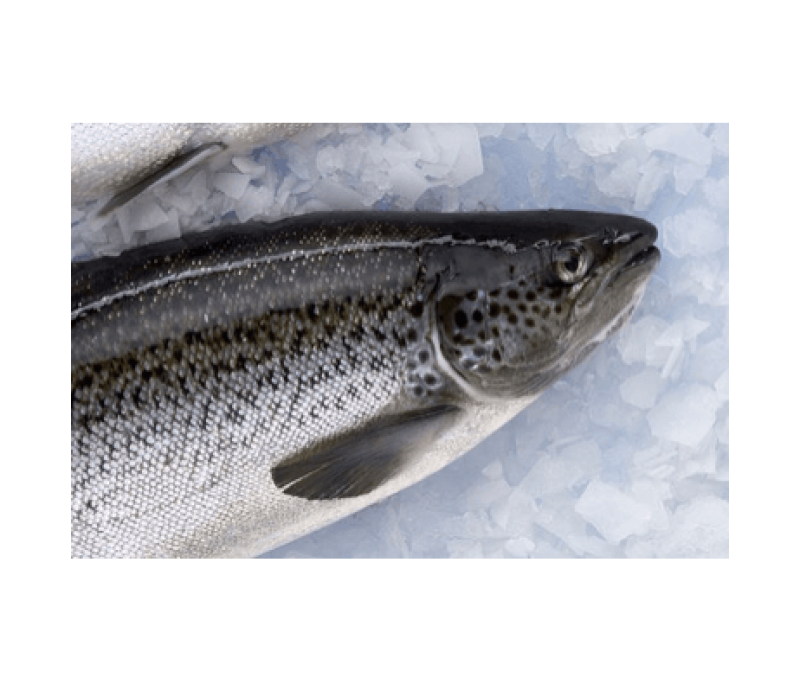
After 20 years of regulatory scrutiny and political wrangling, the U.S. Food and Drug Administration(FDA) finally approved a genetically modified salmon, one scientists say delivers large environmental benefits over existing farmed salmon.
Ironically, the salmon, known as AquAdvantage, was hotly opposed by environmental groups.
. . . .
The AquAdvantage salmon grows to adult size twice as fast — in two rather than four years — and requires 20 percent less feed than today’s Atlantic salmon, 100 percent of which are already farmed.
It also requires no antibiotics, unlike conventionally farmed Atlantic salmon, which public health officials warn can contribute to antibiotic resistance.
“AquAdvantage salmon is as safe to eat as any non-genetically engineered (GE) Atlantic salmon, and also as nutritious,” said the FDA.
. . . .



Ninety percent of the world’s fish stocks are either over-fished or at capacity, but global demand for fish is expected to double by 2050 as the human population grows and poor nations become richer.
AquaAdvantage will be the first Atlantic salmon produced on land in warehouses, the method favored by environmental groups. Being produced on land spares natural ocean environments the disruption of large farms complete with pens and motorboats.
Where 8 pounds of feed is required to create one pound of beef, just one pound of feed is required to create one pound of AquaAdvantage salmon, the company says
Local production reduces the pollution from flying salmon in by jet plane. AquaBounty says it will produce 90 percent fewer climate-changing carbon emissions.
Read full, original post: Victory for frankenfish and for Mother Earth: Column