Doctors planning first ever penis transplant for wounded soldiers

penis

The GLP aggregated and excerpted this blog/article to reflect the diversity of news, opinion and analysis.

Within a year, maybe in just a few months, a young soldier with a horrific injury from a bomb blast in Afghanistan will have an operation that has never been performed in the United States: a penis transplant.

The organ will come from a deceased donor, and the surgeons, from Johns Hopkins University School of Medicine in Baltimore, say they expect it to start working in a matter of months, developing urinary function, sensation and, eventually, the ability to have sex.

From 2001 to 2013, 1,367 men in military service suffered wounds to the genitals in Iraq or Afghanistan, according to the Department of Defense Trauma Registry. Nearly all were under 35 and were hurt by homemade bombs, commonly called improvised explosive devices, or I.E.D.s. Some lost all or part of their penises or testicles — what doctors call genitourinary injuries.

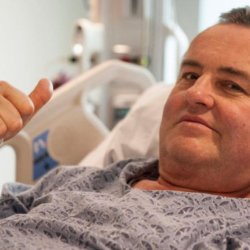
“These genitourinary injuries are not things we hear about or read about very often,” said Dr. W. P. Andrew Lee, the chairman of plastic and reconstructive surgery at Johns Hopkins. “I think one would agree it is as devastating as anything that our wounded warriors suffer, for a young man to come home in his early 20s with the pelvic area completely destroyed.”

Read full, original post: Penis Transplants Being Planned to Help Wounded Soldiers

{{ reviewsTotal }}{{ options.labels.singularReviewCountLabel }}
{{ reviewsTotal }}{{ options.labels.pluralReviewCountLabel }}
{{ options.labels.newReviewButton }}
{{ userData.canReview.message }}

Related Articles

Infographic: Global regulatory and health research agencies on whether glyphosate causes cancer

Infographic: Global regulatory and health research agencies on whether glyphosate causes cancer

Does glyphosate—the world's most heavily-used herbicide—pose serious harm to humans? Is it carcinogenic? Those issues are of both legal and ...

Most Popular

Screenshot-2026-05-01-at-1.29.41-PM
Viewpoint: What happens when whole grains meet modern food manufacturing? Labels don’t tell the whole story.
S
As vaccine rejectionism spreads, measles may be taking a more dangerous turn
Screenshot 2026-05-06 at 2.56
Singularity crisis ahead? Can super babies save us from rogue AI geniuses?
Screenshot-2026-05-06-at-2.07.43-PM
Manufacturing a conspiracy: The timeline of how  the White House embraced the fringe claim that scientists are being mysteriously murdered
Screenshot-2026-04-20-at-2.26.27-PM
Viewpoint — Food-fear world: The latest activist scientists campaign: Cancer-causing additives
Screenshot-2026-03-13-at-12.14.04-PM
The FDA wants to make many popular prescription drugs OTC—a great idea. Here’s why it’s unlikely to happen
Screenshot-2026-04-30-at-2.19.37-PM
5 myths about summer dehydration that could damage your health — or even kill you
ChatGPT-Image-May-6-2026-03_41_05-PM
‘Protecting the integrity of science’: Kennedy’s FDA blocks release of taxpayer-funded studies finding COVID and shingles vaccines safe
Screenshot-2026-05-01-at-11.56.24-AM
‘Science moves forward when people are willing to think differently’: Memories of DNA maverick Craig Venter
Screenshot 2026-05-06 at 12.49
Immortal dragons: The quest to ‘make death optional’
glp menu logo outlined

Get news on human & agricultural genetics and biotechnology delivered to your inbox.