International regulations urged for antibiotic use in livestock

The GLP aggregated and excerpted this blog/article to reflect the diversity of news, opinion and analysis.

The international community needs to set hard targets for using antibiotics in agriculture and should act as soon as possible to reduce the drugs’ use, a project chartered by the British government said in London today.

The Review on Antimicrobial Resistance, which has been examining how to fix antibiotic overuse and resistance for more than a year — since it released the jaw-dropping estimate that resistant bacteria will kill 10 million people per year by 2050 — said in a report and press conference that there can no longer be any dispute that farm misuse of antibiotics contributes to the global burden of resistance.

But to remedy that, the group makes a novel proposal. Instead of focusing on categories of antibiotic use — the path followed by Europe and the United States, which have placed controls on the daily micro-doses called growth promoters — it recommends focusing on quantities. It proposes that the international community agree to a maximum allowable amount of agricultural antibiotic use, while permitting nations to decide how best to meet it — provided that they do meet it within 10 years.
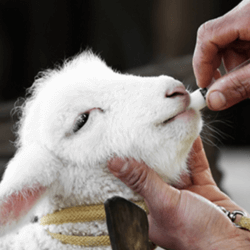
At the same time, the Review calls for close attention to which antibiotics are allowed in agriculture, and recommends that nations carve out an international agreement on which crucial last-resort drugs ought to be reserved for human medical use.

Read full, original post: Proposal: Set International Targets for Farm Antibiotic Use

{{ reviewsTotal }}{{ options.labels.singularReviewCountLabel }}
{{ reviewsTotal }}{{ options.labels.pluralReviewCountLabel }}
{{ options.labels.noReviewsLabel }}
{{ options.labels.newReviewButton }}
{{ userData.canReview.message }}

Related Articles

Infographic: Global regulatory and health research agencies on whether glyphosate causes cancer

Infographic: Global regulatory and health research agencies on whether glyphosate causes cancer

Does glyphosate—the world's most heavily-used herbicide—pose serious harm to humans? Is it carcinogenic? Those issues are of both legal and ...

Most Popular

Screenshot-2026-07-09-at-1.09.25-PM
Anti-vaccine myths rattle health care
ChatGPT-Image-Mar-10-2026-01_39_01-PM
Viewpoint—“Miracle molecule” debunked: Why acemannan supplements don’t work
ChatGPT-Image-Jul-10-2026-12_21_03-PM
Viewpoint: Is there new evidence that the animal deworming drug ivermectin decreases the risk of Covid and cancer? Don’t waste your money.
Picture1
Hiroshima at 81: America’s new nuclear bomb, a buried Iranian target, and a question no one wants to ask
ChatGPT-Image-Jun-25-2026-12_23_17-PM
No, Bill Gates did not secretly engineer ticks to promote veganism
leeteam
How Kennedy and his family could pocket millions from Merck’s $50 million vaccine injury settlement that he oversaw
Screenshot-2026-07-30-at-2.30.35-PM
Climate scientists claim conservative activists are promoting ‘lies’ that Europe’s summer heatwaves are far from unusual
Screenshot-2026-07-30-at-3.07.42-PM
Controversy over WNBA star Sophie Cunningham’s comment opposing trans females in women’s sports reinvigorates the culture wars

Sorry. No data so far.

glp menu logo outlined

Get news on human & agricultural genetics and biotechnology delivered to your inbox.