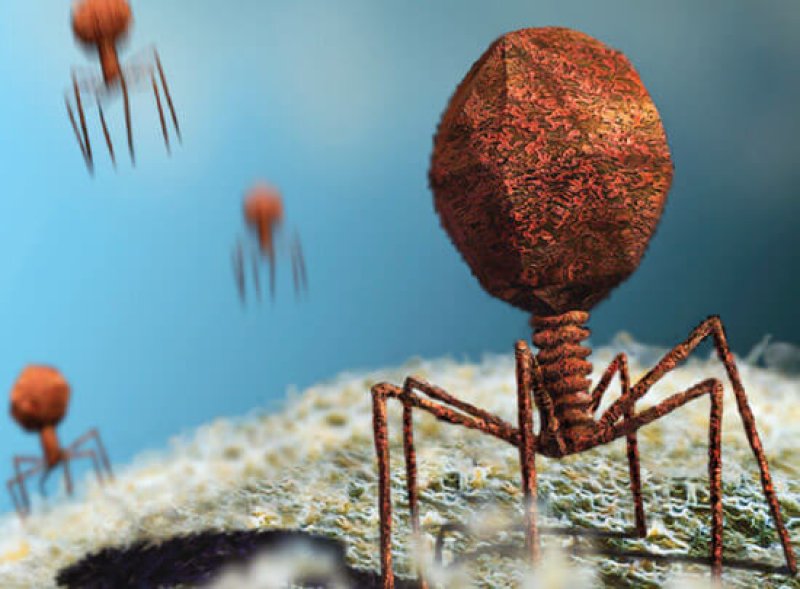
Viruses and fungi: Forgotten neighbors of human microbiome

t d

The GLP aggregated and excerpted this blog/article to reflect the diversity of news, opinion and analysis.

At a workshop held at the National Institutes of Health (NIH) September 2015 on the role of human microbiota in infectious disease, I was disheartened not to hear a single talk on the fungal communityโ€”the mycobiome. Disheartened, but not surprised. Ignoring the fungal kingdom is nothing new. More than five years ago, my colleague and I tried to draw attention to this issue in a letter published in Microbe, recommending that the Human Microbiome Project should investigate not just peopleโ€™s bacterial inhabitants, but the fungal and viral commensal communities as well. While research on the human virome has increased in recent years, the scientific community has not heeded our advice with regard to the fungal components of the microbiome. As of November 2015, only 269 of more than 6,000 Web of Science search results for the term โ€œmicrobiomeโ€ even mention โ€œfungus,โ€ and the scientific search engine returns only 55 papers pertaining to the โ€œmycobiome.โ€

Despite this lack of attention, a handful of recent studies point to the importance of our commensal fungal inhabitants as critical players in human health and disease. The oral mycobiome of HIV-infected patients differs from that of uninfected controls, for example. Abundance of Candida and Saccharomycesspecies correlates with increased severity of hepatitis B infections. And an overabundance of the gut fungal pathogen Candida tropicalis aggravates inflammatory bowel disease. One day, perhaps, researchers will include fungal species in fecal transplants to treat infections by Clostridium difficile and other bacteria, and companies will begin to market probiotic products that contain live cultures of friendly fungi.

Read full, original post:ย The Mycobiome

{{ reviewsTotal }}{{ options.labels.singularReviewCountLabel }}
{{ reviewsTotal }}{{ options.labels.pluralReviewCountLabel }}
{{ options.labels.newReviewButton }}
{{ userData.canReview.message }}

Related Articles

Infographic: Global regulatory and health research agencies on whether glyphosate causes cancer

Infographic: Global regulatory and health research agencies on whether glyphosate causes cancer

Does glyphosateโ€”the world's most heavily-used herbicideโ€”pose serious harm to humans? Is it carcinogenic? Those issues are of both legal and ...

Most Popular

Screenshot-2026-04-22-at-12.21.32-PM
Viewpoint: Why the retracted Monsanto glyphosate study doesnโ€™t change the scienceโ€”the worldโ€™s most popular herbicide is safeย 
Picture1
The FDA couldnโ€™t find a vaccine safety crisis, so it buried its own research
ChatGPT-Image-May-1-2026-11_42_59-AM-2
Viewpoint: NAD is the wellness grifters latest evidence-lite longevity fad. At least the mice are impressed.
global warming
โ€˜Implausibleโ€™: Top climate scientists reject worst-case scenarioโ€”soaring temperatures and fast-rising sea levels
Screenshot-2026-05-21-at-12.15.17-PM
UK gene-editing milestone: Livestock barley that increases ruminant value and reduces methane emissions is first-approved CRISPR crop
vax-misinformation-main
Facts & Fallacies Podcast: Limit free speech to blunt social media misinfo?
ChatGPT-Image-Apr-16-2026-02_56_53-PM
Financial incentives, over diagnosis, and weak oversight: Autism claims are driving up Medicare costs
Screenshot-2026-05-21-at-3.15.53-PM
Chiropractors may no longer be modern-day snake oil salesmen, but the benefits of their therapy are limitedโ€“at best
ChatGPT-Image-May-12-2026-11_27_01-AM-2
AI likely to improve health care, research showsโ€”but not for blacks and ethnic minorities
Screenshot-2026-05-20-at-5.11.17-PM
Viewpoint: No, sugar doesnโ€™t โ€˜feedโ€™ cancer โ€” common cancer myths, debunked

Sorry. No data so far.

glp menu logo outlined

Get news on human & agricultural genetics and biotechnology delivered to your inbox.