
The GLP aggregated and excerpted this blog/article to reflect the diversity of news, opinion and analysis.
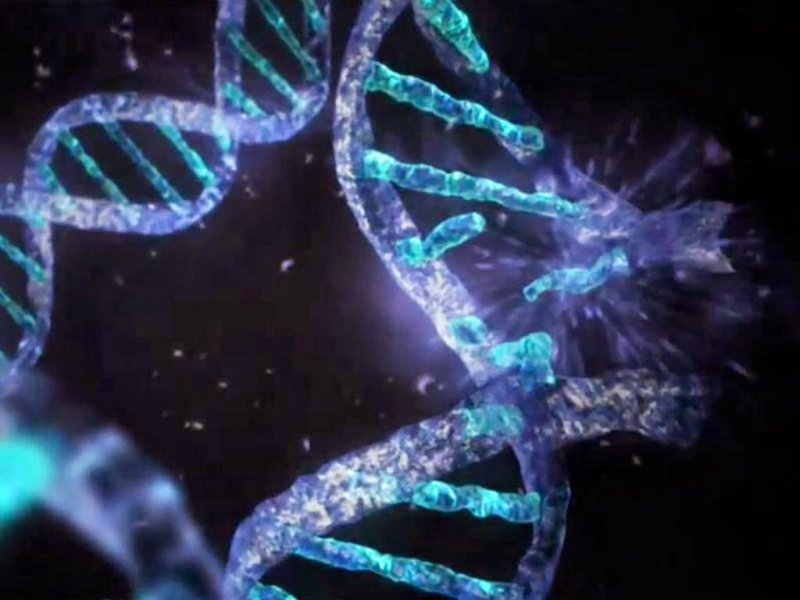
While genome editing is being used to bolster agriculture, map our DNA and possibly treat fatal and chronic disease, U.S. Director of National Intelligence James Clapper added it to a shortlist of threats — next to North Korean nuclear detonation, Syria’s undeclared chemical weapons and new Russian cruise missiles.
Unfortunately, Clapper, who has a $50 billion budget to oversee spying agencies, has a point — and we should pay attention.
On Tuesday, Clapper released a statement called the “Worldwide Threat Assessment of the U.S. Intelligence Community.” In it, he pointed out the concern over countries with shaky regulatory or ethical standards and their propensity toward creating “harmful biological agents or products.”
Genome editing techniques like CRISPR/Cas9 are considered “dual-use” technology. As Arthur Caplan, professor of bioethics and director of the division of medical ethics at NYU Langone Medical Center, told Mic, they can be used for good and evil.




“In one sense, of course he’s right,” Caplan told Mic. “Gene editing — whether in microbes, plants, animals or agents that attack humans with some sort of airborne novel agent — absolutely can be [a weapon].”
The concern is that, even though we’re talking about genetics, CRISPR/Cas9 isn’t all that difficult to execute and the methodology could easily fall into the wrong hands.
Read full, original post: Genome Editing Could Cure Cancer. The Government Thinks It’s a Weapon of Mass Destruction.