


The GLP aggregated and excerpted this blog/article to reflect the diversity of news, opinion and analysis.
The whole world is abuzz about CRISPR, the new technology that’s allowing scientists to easily edit genetic data. This development is poised to fundamentally change our relationship with genetic disease. In the future, we may be able to do more than treat the symptoms of genetic disease — instead, we might strike directly at the DNA causing maladies such as “bubble boy” syndrome, muscular dystrophy and sickle cell disease.
But the biggest impact CRISPR will have on most people’s lives won’t be curing genetic diseases. It’s much larger: the widening of our horizon of discovery, which could lead to advances we can’t even imagine.
CRISPR represents a triumph fundamental to research: Undirected scientific curiosity can lead to unexpected breakthroughs that improve our lives. CRISPR is able to dramatically accelerate biological discovery by “democratizing” gene editing. The tool gives scientists the ability to make new insights into the workings of life, for example, by testing how genes function during health and disease. The application of similarly fundamental biological discoveries has formed the cornerstone of almost every advance in human health, from new cancer drugs to cutting-edge cholesterol therapies.
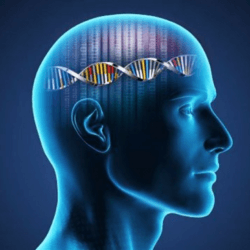
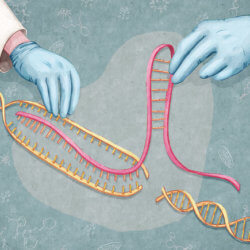



Today, using CRISPR, we can make changes to genomic DNA and better understand what each element of the genome does. And what if some of that data leads to the next big unanticipated breakthrough? What if the field mouse gives us clues to treat neurological disorders? What if the tiny crab holds the key to the regeneration of severed limbs?
Read full, original post: CRISPR will change lives, but not only through genetic engineering






















